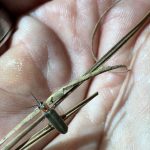
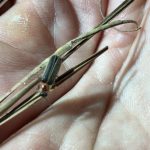
Observation: Photinus umbratus
Primary Observer:
Michelle Wilcox
Event Date:
2025-06-06
Status:
Unverified


Survey
Site Name:
Undisclosed
Province/State:
South Carolina
Event Date:
2025-06-06
Time of Day:
Night-Time
Start Time:
20:40
End Time:
23:00
Number of Observers:
7
Primary Observer:
Michelle Wilcox
Additional Observers:
Brad O'Brien, Todd Johnson, Brad Watkin, Keith Sutton, Ruby Sutton, Thomas Clawson
target_species_genus:
photuris
target_species_species:
forresti
Location and Habitat
Location Accuracy (meters):
0-25
Habitat Type:
Open Freshwater Wetland - Wetland Bog, fen, freshwater marsh
Habitat Type Notes:
Beaver Pond with pines, bays, oaks. See details from previous visit on 5/29/25.
Elevation (meters):
72
Area Searched (hectares):
0.4
Artificial Light Sources
Vehicles: No
Street Lights: No
Buildings: Yes
Columbia city glow in distance
Street Lights: No
Buildings: Yes
Columbia city glow in distance
Artificial Light Types
Sky Glow (diffuse illumination in the sky): Yes
Light Trespass (light cast on surfaces beyond its intended target): No
Glare (bright light causing visual discomfort): No
Light Trespass (light cast on surfaces beyond its intended target): No
Glare (bright light causing visual discomfort): No
Artificial Light Notes:
Columbia city glow in distance
Observation
Observation Type:
With Flash Data
Number Observed:
2-10
genus:
photinus
Species:
umbratus
Observation Notes:
Could be Big Dipper, but not sure. Green, single flash, slowly went dark as it moved, fades out.
Specimen Voucher Number:
Flash Behavior
First Flash Time:
21:20
Last Flash Time:
22:15
First Flash Temp (F):
80
Last Flash Temp (F):
79
Flashes in Pattern:
1
Flash Color:
Green
Flash Pattern Period:
?
Flash Duration:
1
Flash Interval:
?
Male Height Zone:
Low (0-3 ft)
Flash Location:
Over road
Male Flash Behavior:
Green, single flash, slowly went dark as it moved, fades out. Neglected to estimate period or interval.
Female Flash Behavior:
 
1 thought on “Observation: Photinus umbratus”
Leave a Comment
You must be logged in to post a comment.


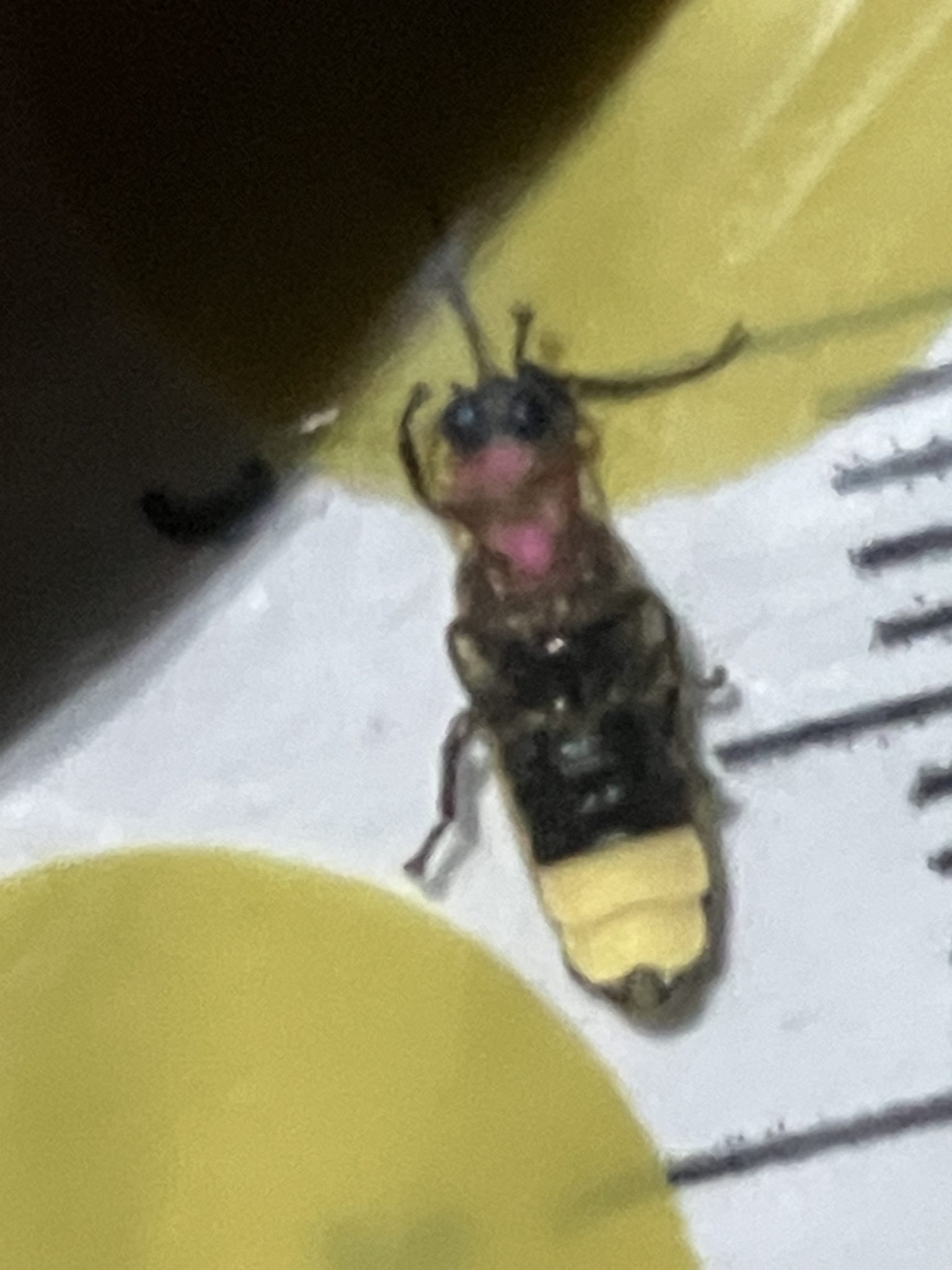
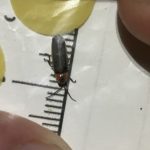
Interesting observation! The small size (7-8 mm from tip of elytra to tip of pronotum) and the apparent lack of pale edging on ventrite IV (the segment in front of the lanterns) suggest a species other than Photinus pyralis.
Based on the pale scutellum, the shape of the pronotal/head shield marking, and your description of the flash pattern, one possibility would be Photinus umbratus. This would be exciting because it hasn’t been recorded in South Carolina in a long time. Here is the IUCN profile: https://www.iucnredlist.org/species/164046023/166771588.
Photinus australis (“twilight bushbaby”) is another possibility, but the coloration of the underside and the lack of markings on the outer edges of the pronotum don’t look right to me.
A close-up view of the pygidium (“tail”) is often helpful for narrowing down the list of possible species.