Blog

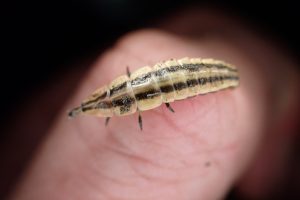
A firefly larva sits on top of some wiry organic matter.

Leave the leaves–for fireflies!

Fall is making itself known in many parts of the country—shorter days, cooler nights, and leaves tinged crimson and gold. These same leaves will begin tumbling earthward in the coming weeks, carpeting our yards, parks, and walkways with nature’s crinkliest confetti. What is leaf litter? Leaf litter is the layer of organic matter—including fallen twigs, …

Read more

A firefly larva feeding on an earthworm.

Fireflies, worms, and forest health

Fireflies are often associated with warm summer nights, lighting up backyards and fields, yet many species are habitat specialists found in wetland or forest habitats. Some firefly species–particularly the specialists–are experiencing declines due to a variety of threats including habitat loss, light pollution, climate change, and pesticide exposure. While we know there are varying degrees …

Read more

Winter fireflies on yellow goldenrod flowers.

Are fireflies pollinators? Of blooms and lightning bugs.

Within insects, pollinators often seem to get VIP treatment. Bees in particular get heralded for their role in helping plants set seed, produce fruit, and reproduce. While beetles aren’t usually the first group of insects to come to mind as pollinators, they actually have a long history in this role, with fossil records indicating that …

Read more

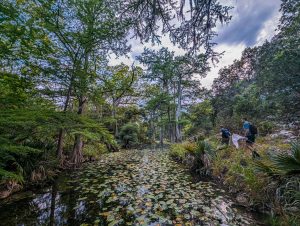
On the hunt for lost fireflies

Candace Fallon, Senior Endangered Species Conservation Biologist It’s a couple hours before sunset, and I’m zigzagging back and forth across a wide sandy trail behind my friend Becca, scanning the rocks and plants on either side for insects. Tiny checkerspot butterflies flit by. Common side-blotched lizards scamper across boulders, blue scales glinting in the light. …

Read more

A mating pair of California pink glow-worms in California.

A field guide to California’s fireflies

Candace Fallon, Senior Endangered Species Conservation Biologist The Golden State: land of sunshine, milk and honey, and… fireflies? Yes! But probably not the kind you’re picturing. When most people think of fireflies, they imagine warm summer nights filled with blinking lights. While that’s true in many parts of the country, including several western states like …

Read more

Close-up view of keel-necked firefly (Pyractomena ecostata) in hand

Firefly Atlas 2025 Year in Review

Richard Joyce, Endangered Species Conservation Biologist By the Numbers This year, Firefly Atlas participants submitted data from 857 surveys and incidental observations. There were 304 full surveys, which included both species-specific surveys targeting 32 different species and open-ended surveys, where surveyors simply went out to see what types of fireflies they could find. In total, …

Read more

Searching for fall’s hidden treasures

With the fall equinox just behind us, the adult firefly season has come to an end across most of the US and Canada. However, that doesn’t mean you have to say goodbye to fireflies just yet! Fall is an ideal time to look for an entirely different stage of the firefly life cycle—the larvae. This …

Read more

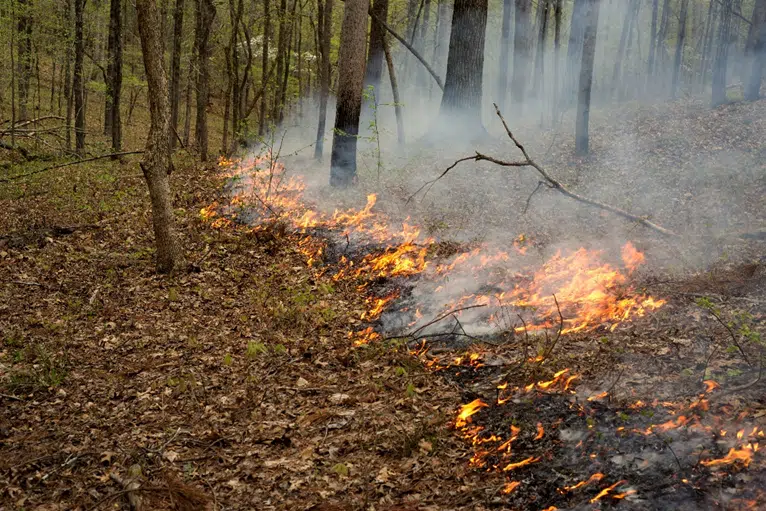
How does fire affect fireflies?

How do we protect firefly populations while also achieving other ecological goals on the landscape? This is a question that land managers grapple with when figuring out how to maintain the wildlife habitats they steward. Prescribed fire, also known as controlled burns or cultural fire, is the intentional use of fire to sustain or regenerate …

Read more

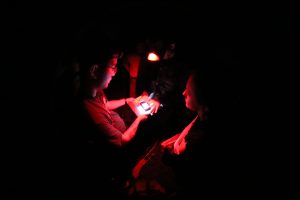
10 ways to collect better firefly data

Firefly researchers (professionals and community scientists alike) often find themselves on a steep learning curve when gathering data on firefly species, especially when they are using methods that don’t involve collecting specimens. This post breaks down some of the ways to ensure that the data you are collecting is as useful as possible for species, …

Read more

Connect

Sign up for our newsletter to receive updates.

Follow

Follow the Xerces Society.

Share

Share this page.

Support

Support the Xerces Society's conservation work.

This is a project of the Xerces Society, working in collaboration with the IUCN SSC Firefly Specialist Group and New Mexico BioPark Society.

Copyright © 2026 The Xerces Society •1631 NE Broadway Street, #821 • Portland OR 97232 USA
Firefly logo by Ink Dwell studio; © 2020 Jane Kim