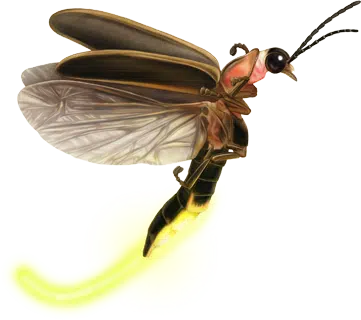
Observation: Pyractomena borealis
Primary Observer:
Beth Ozbun
Event Date:
2025-03-29
Status:
Unverified
Survey
Site Name:
IRWP
Province/State:
Arkansas
Event Date:
2025-03-29
Time of Day:
Night-Time
Start Time:
20:10
End Time:
21:35
Number of Observers:
1
Primary Observer:
Beth Ozbun
Additional Observers:
NA
target_species_genus:
pyractomena
target_species_species:
borealis
Location and Habitat
Location Accuracy (meters):
0-25
Habitat Type:
Woodland/Forest - Trees dominant, and in the over-story
Habitat Type Notes:
Public use area. Cave and spring that is the headwaters for the Illinois River. The cave discharges onto a small flat plain and has wooded hills/slops on 3 sides. The water follows an old fish run and collects is a small reservoir.
Elevation (meters):
434.93
Area Searched (hectares):
.72
Artificial Light Sources
Vehicles: Yes
Street Lights: Yes
Buildings: Yes
Street Lights: Yes
Buildings: Yes
Artificial Light Types
Sky Glow (diffuse illumination in the sky): Yes
Light Trespass (light cast on surfaces beyond its intended target): Yes
Glare (bright light causing visual discomfort): Yes
Light Trespass (light cast on surfaces beyond its intended target): Yes
Glare (bright light causing visual discomfort): Yes
Artificial Light Notes:
Buildings and streetlights across the street from the IRWP sanctuary.
Observation
Observation Type:
Without Flash Data
Number Observed:
2-10
genus:
pyractomena
Species:
borealis
Observation Notes:
Flying high, but not as high at the pyrectomena. Within the trees on the south facing hill. I observed two. There were two flashes in the flash pattern (not quick), followed by 1sec/1.5 sec of dark. Between 71 and 68 degrees. Yellow-green flashes.
Specimen Voucher Number:
Flash Behavior
First Flash Time:
 
Last Flash Time:
 
First Flash Temp (F):
 
Last Flash Temp (F):
 
Flashes in Pattern:
 
Flash Color:
 
Flash Pattern Period:
 
Flash Duration:
 
Flash Interval:
 
Male Height Zone:
Flash Location:
 
Male Flash Behavior:
 
Female Flash Behavior:
 
1 thought on “Observation: Pyractomena borealis”
Leave a Comment
You must be logged in to post a comment.


This is an intriguing observation! Given the early season, I think that the most likely possibility is that this was Pyractomena borealis doing their double flash pattern, which is less common than their single flash but described both in Lynn Faust’s 2017 field guide and in Jim Lloyd’s 2018 monograph. I have set the scientific name to Pyractomena borealis, but left the observation status unverified given the uncertainty.