Richard Joyce, Endangered Species Conservation Biologist
By the Numbers
This year, Firefly Atlas participants submitted data from 857 surveys and incidental observations. There were 304 full surveys, which included both species-specific surveys targeting 32 different species and open-ended surveys, where surveyors simply went out to see what types of fireflies they could find. In total, these surveys added up to 340 hours spent searching for and observing fireflies. That is equivalent to 8.5 forty-hour weeks!
Firefly Atlas had participation from 44 US states and 7 Canadian provinces, stretching from Florida and Texas to Nova Scotia and British Columbia.

Notable findings: stories of hope and data for conservation
Across the country, Firefly Atlas participants made exciting discoveries about the distribution, population status, natural history, diversity, and phenology of many different firefly species, channeling a spirit of adventure and a hunger to learn as they set out on surveys. Below is just a small selection of what Firefly Atlas surveys revealed this year.
The Ozark spark (Photinus tenuicinctus): revisiting a forgotten firefly
When conservationists assessed the Red List status of North American fireflies back in 2020, there were many species like Photinus tenuicinctus, which had just a handful of publicly available data points, all of which were decades old. With so little information to work off of, this dusk-flashing firefly known only from the Ozarks region was assessed as “Data Deficient,” meaning that there wasn’t enough data to determine its risk of extinction.
Thanks to the efforts of passionate and curious naturalists in Arkansas, we now have some contemporary data to work with! A particularly exciting observation was made by Pam Morgan of the Great Arkansas Firefly Hunt (who also helped establish the Firefly Sanctuary at Coler Mountain Bike Preserve). In late June, Pam surveyed at a site where the late firefly researcher Dr. Jim Lloyd had studied and collected Photinus tenuicinctus back in 1964, and she found a thriving population. Not only was it heartening to discover the persistence of this species, but observations like these are enormously helpful for informing researchers and naturalists interested in getting to know this regionally endemic species. Pam also gets credit for coining the fun and evocative common name “Ozark spark,” a major upgrade from the less-than-inspiring direct translation of the Latin species name: “thinly-girdled firefly.”
LINK: Great Arkansas Firefly Hunt
LINK: She found a thriving population

Another big year for Southwest spring firefly data
Like in 2024, the Southwest spring firefly (Bicellonycha wickershamorum) led the pack in being the firefly species with the most data submissions. There were 69 full surveys, which led to 33 observations, as well as equally-useful non-detection data. These data submissions included surveys from Yavapai County (where the less-studied, northern populations are found) and observations of larvae crawling around on damp soil at a spring. Researchers, land managers and community scientists continue to inspire us in their efforts to understand and protect this special firefly.
LINK: Surveys from Yavapai County
LINK: Observations of larvae

A clearer picture of keel-necked fireflies in New Jersey
Despite over a century of study on the coast of New Jersey, a state-level range map for the keel-necked firefly (Pyractomena ecostata) drawn five years ago would have been patchy and uncertain, populated mostly with historic records from New Jersey’s southernmost counties. This year, Firefly Atlas surveys made strides towards a better understanding of where (and when) this species is active in New Jersey. We found keel-necked fireflies flashing over salt marshes at the north end of Barnegat Bay, extending the known distribution northward. Naturalists affiliated with Ocean County conducted weekly surveys at Cattus Island County Park in July and August and showed that keel-necked fireflies were displaying at least through mid-August. These observations on seasonal timing are hugely helpful for planning future surveys because they tell us the time window when surveys might successfully detect adult fireflies. Big kudos to Ocean County Parks and Recreation naturalists!
LINK: At the north end of Barnegat Bay
LINK: At least through mid-August


Coastal fireflies in Florida show resilience post-hurricane
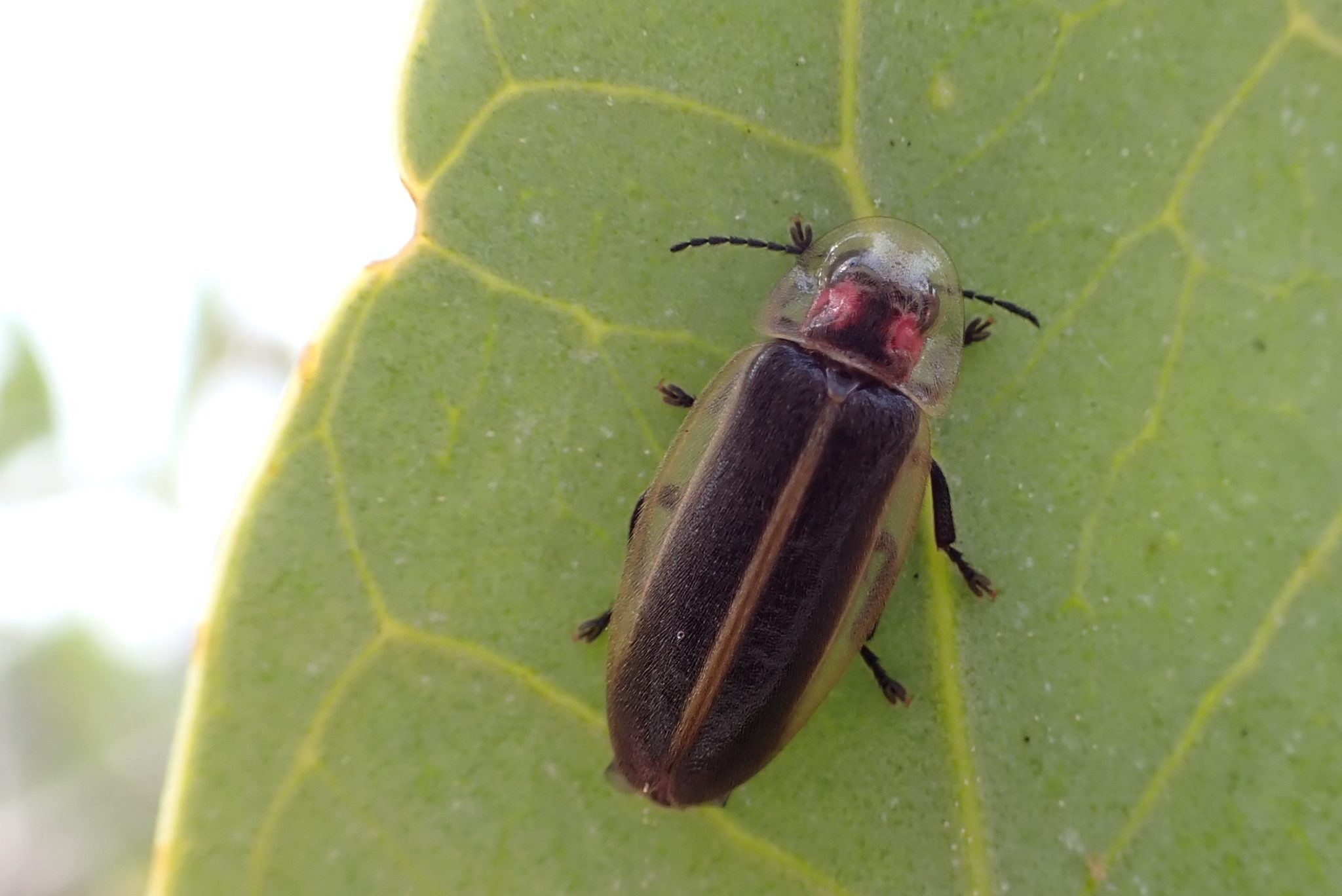
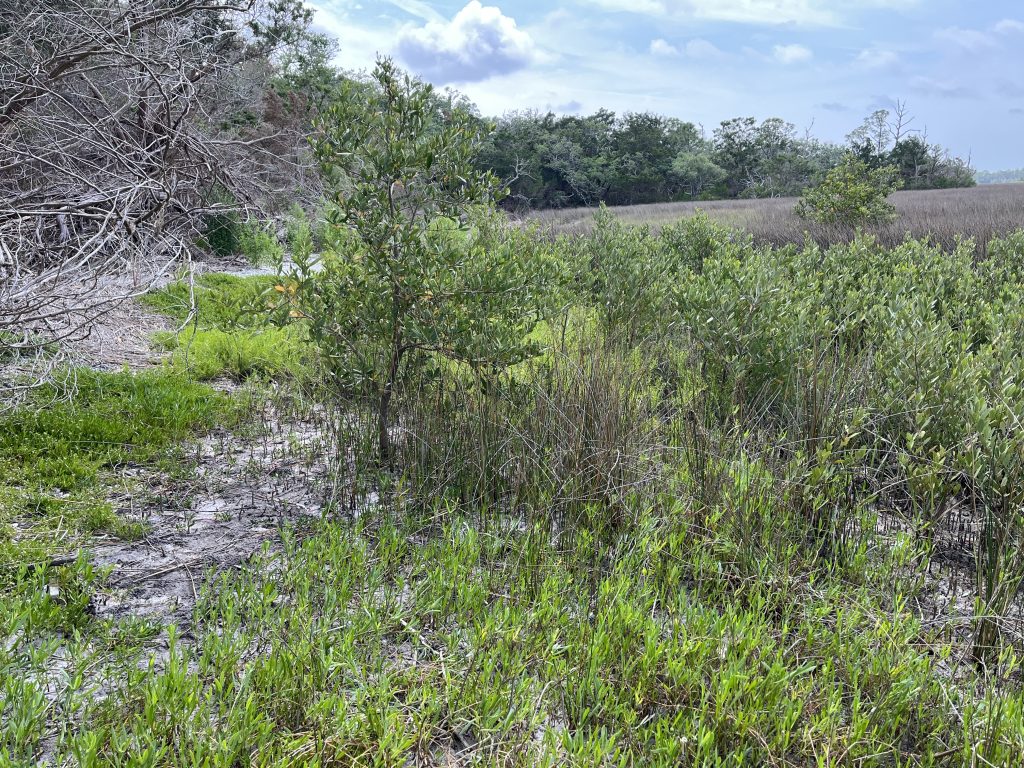
In April 2025, we surveyed coastal sites in the Big Bend region of Florida for keel-necked fireflies and Florida intertidal fireflies (Micronaspis floridana). This is a stretch of coastline with vast areas of protected salt marsh, and it is also an area that is periodically subject to hurricanes. During our surveys, the impacts from Hurricane Helene, which had struck the coast in September 2024, were apparent in the form of snapped trees, damaged structures, and marsh debris trapped in palmetto crowns. We were amazed to find fireflies at survey sites that experienced 10-20 feet of storm surge just six months before, showing remarkable resilience to severe storms, at least at sites that are otherwise protected. This was good news, given the many other threats that these fireflies face!
Thank you for joining us in 2025! See you next year!
Each year, I am struck by the enthusiasm, curiosity, sense of adventure, and dedication of the many individuals and organizations that participate in the Firefly Atlas. Whether you are someone who surveys and submits data, provides access to habitats for firefly surveys, or simply takes an interest in fireflies and their conservation, we thank you for how you’ve contributed to the success and growth of the Firefly Atlas. Are you excited for the 2026 firefly season? Don’t hesitate to reach out to [email protected] if we can support you in choosing target species or planning survey timing!
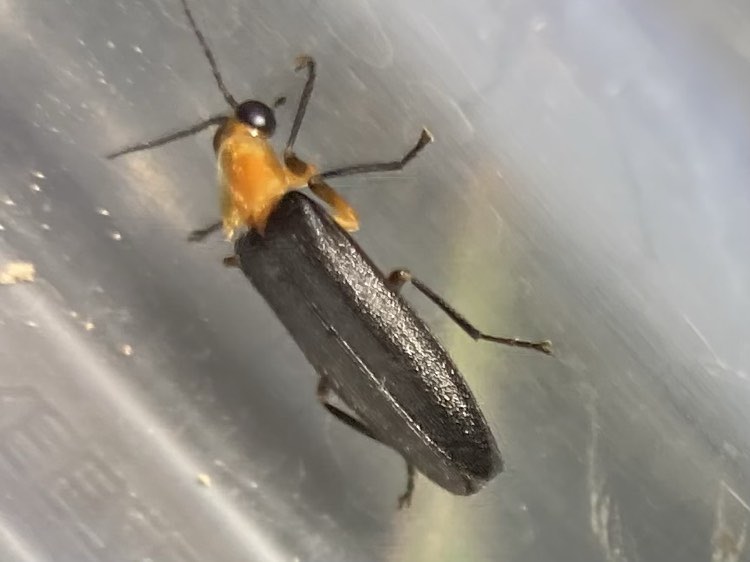
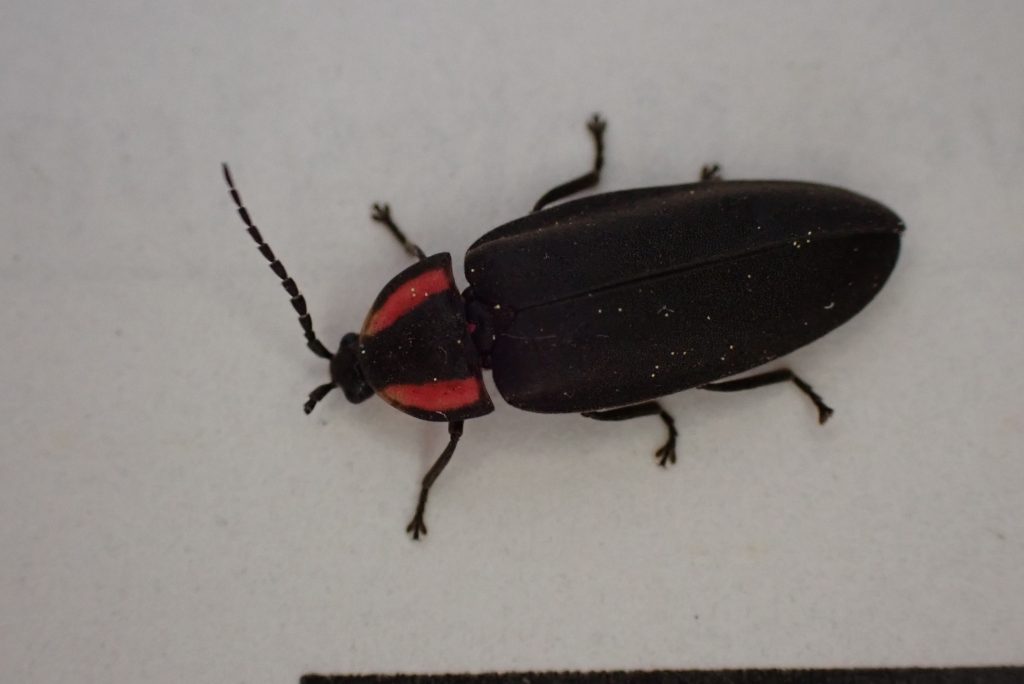
P.S. Check out some of the many species photographed by Firefly Atlas participants in 2025!
LINK: Observation by Rainey Miller
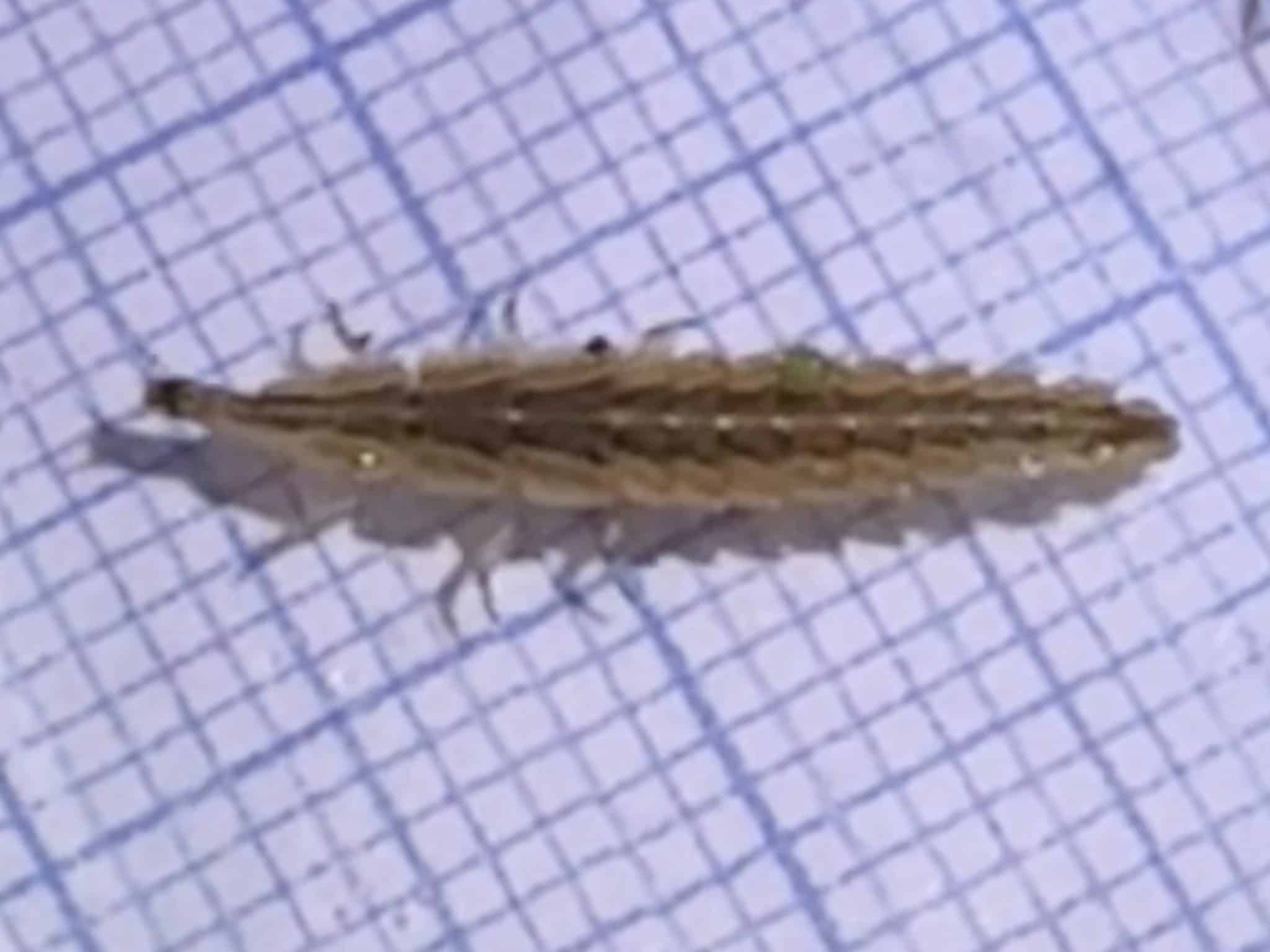
LINK: Observation by Mary Dobberstine and the Glow Patrol
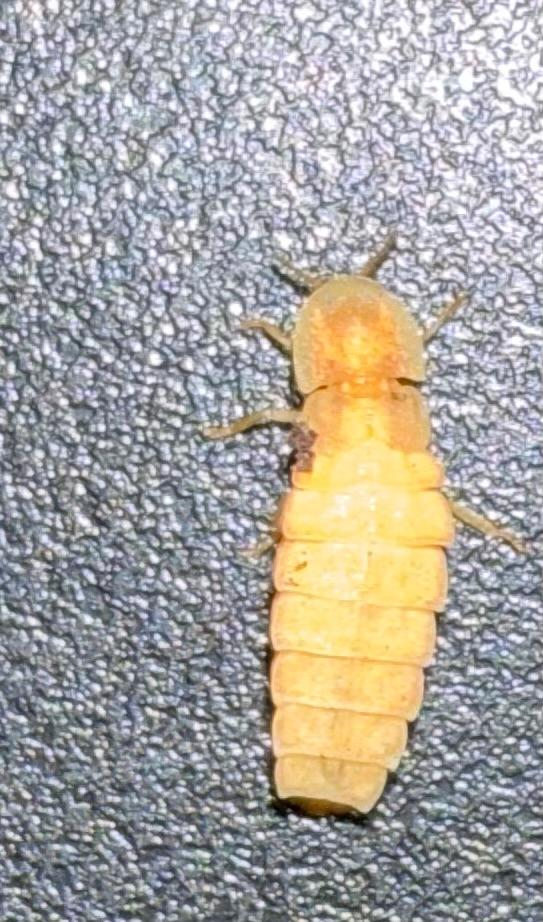
LINK: Observation by Kaylee Henderson
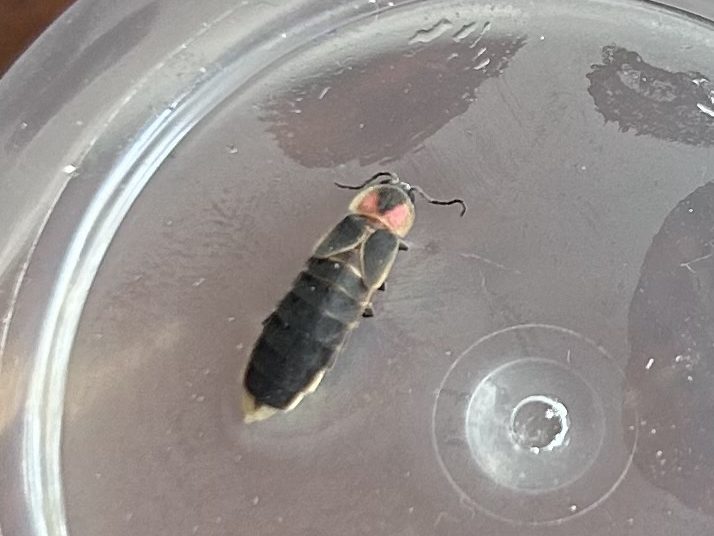
LINK: Observation by Grace Lovett
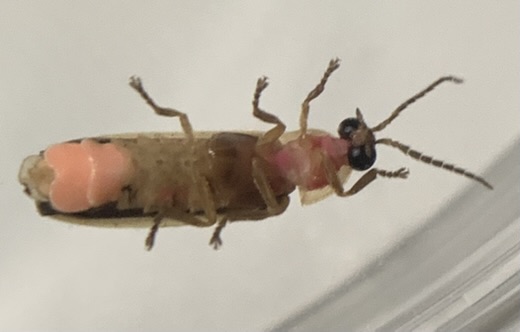
LINK: Observation by Carl Manthey
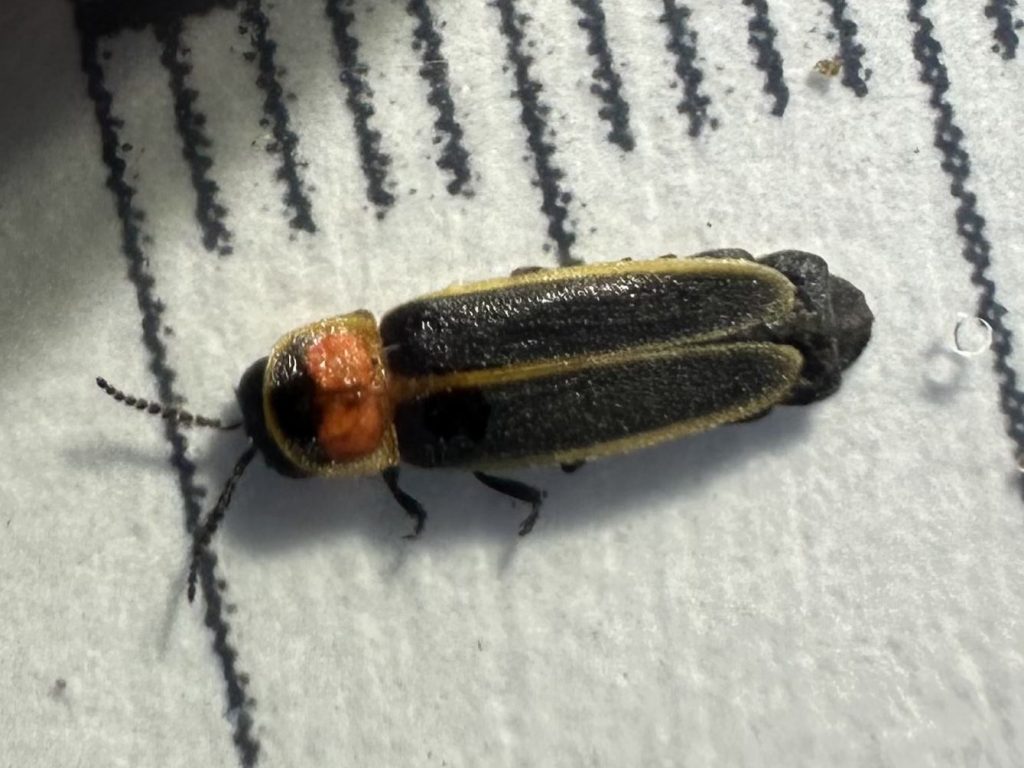
LINK: Observation by Ellie Shultz
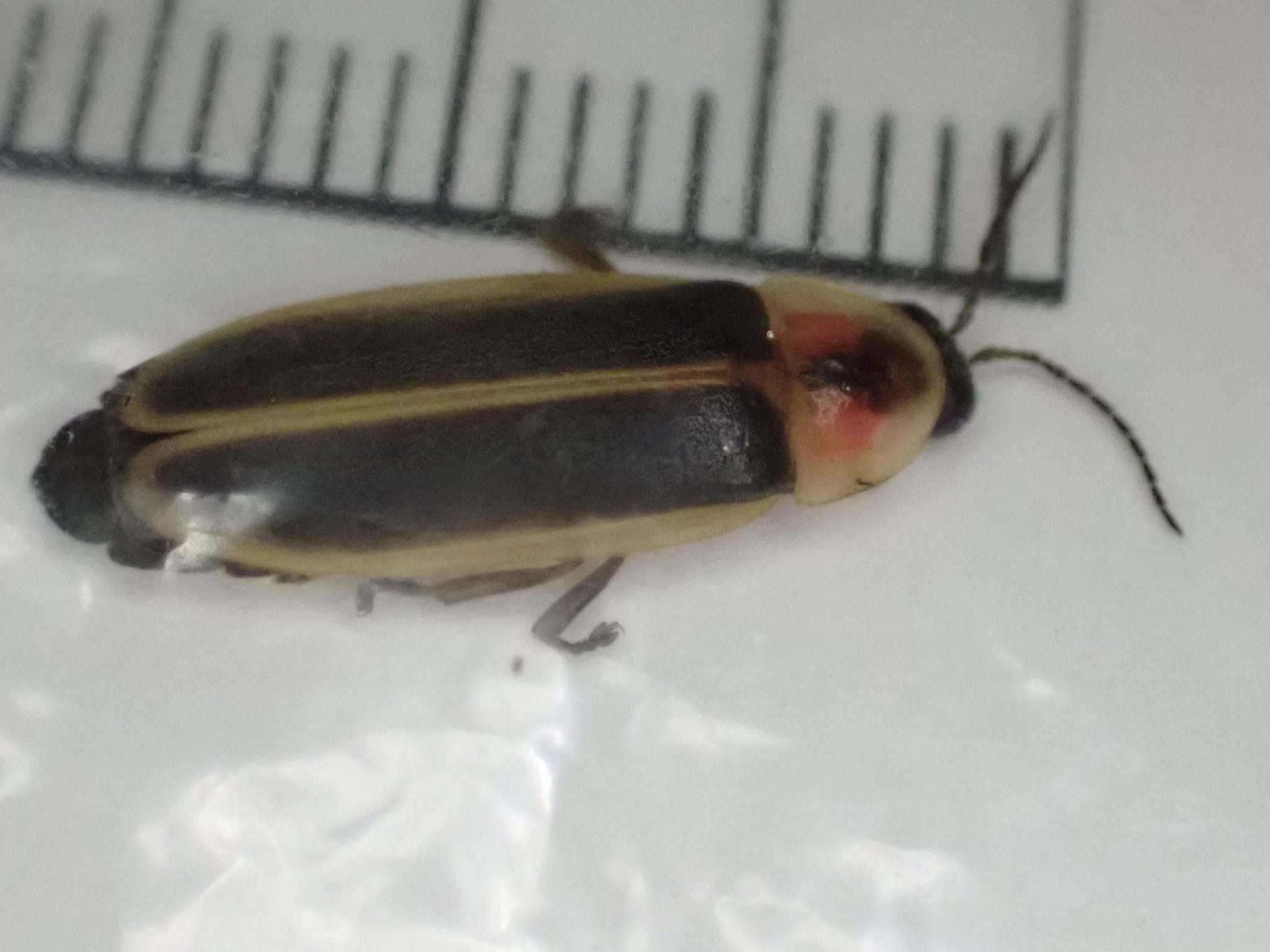
LINK: Observation by Reagan Montalvo/GA DNR

LINK: Observation by Kevin Burls
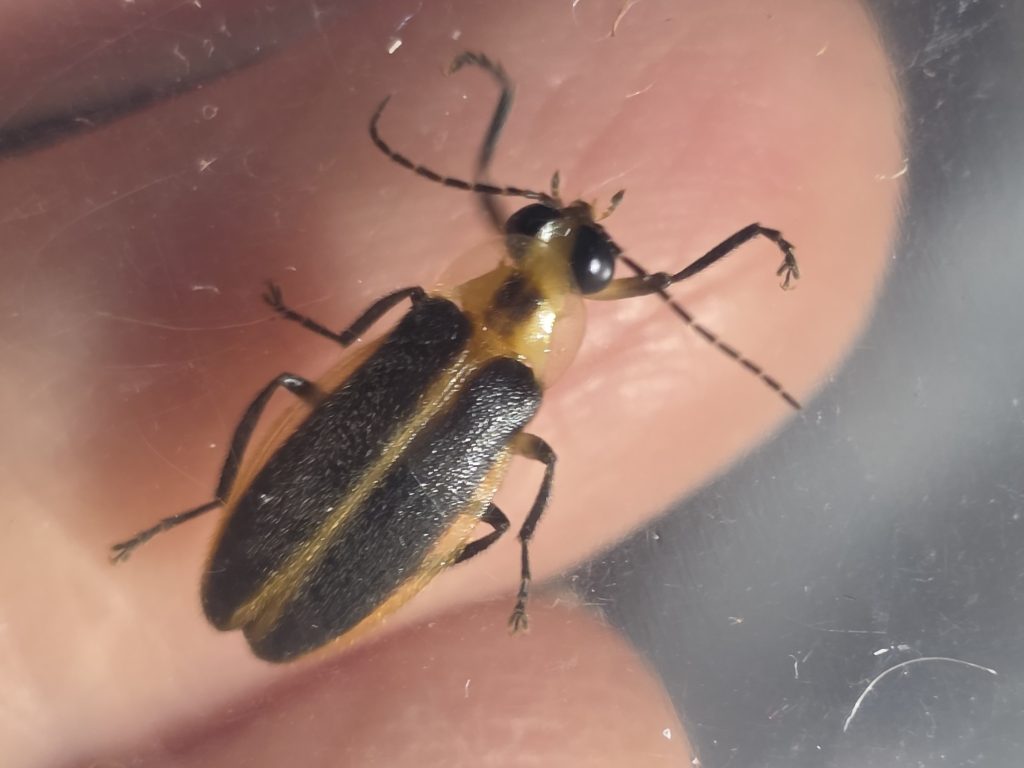
LINK: Observation by Rosalind Reilly
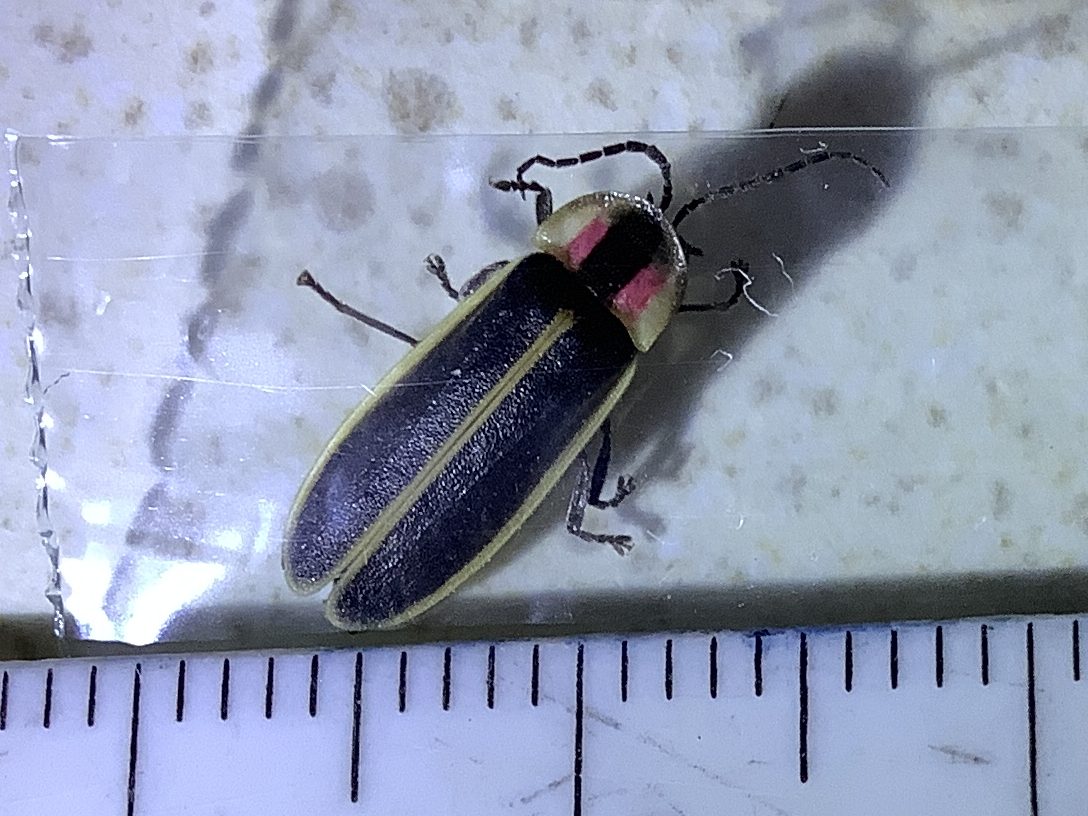
LINK: Observation by Jeffrey Calta

LINK: Observation by Brandie Dunn
LINK: Observation by Candace Fallon

LINK: Observation by Richard Joyce
Notice: Below is a list of 20 important links included on this page.
1. Great Arkansas Firefly Hunt
2. She found a thriving population
3. Surveys from Yavapai County
5. At the north end of Barnegat Bay
6. At least through mid-August
7. Observation by Rainey Miller
9. Observation by Mary Dobberstine and the Glow Patrol
10. Observation by Kaylee Henderson
11. Observation by Grace Lovett
12. Observation by Carl Manthey
13. Observation by Ellie Shultz
14. Observation by Reagan Montalvo/GA DNR
15. Observation by Kevin Burls
16. Observation by Rosalind Reilly
17. Observation by Jeffrey Calta
18. Observation by Brandie Dunn
19. Observation by Candace Fallon
20. Observation by Richard Joyce
Please note that while screen readers have made significant strides, they may still lack full support for optimal web accessibility.
Richard Joyce, Endangered Species Conservation Biologist
By the Numbers
This year, Firefly Atlas participants submitted data from 857 surveys and incidental observations. There were 304 full surveys, which included both species-specific surveys targeting 32 different species and open-ended surveys, where surveyors simply went out to see what types of fireflies they could find. In total, these surveys added up to 340 hours spent searching for and observing fireflies. That is equivalent to 8.5 forty-hour weeks!
Firefly Atlas had participation from 44 US states and 7 Canadian provinces, stretching from Florida and Texas to Nova Scotia and British Columbia.

Notable findings: stories of hope and data for conservation
Across the country, Firefly Atlas participants made exciting discoveries about the distribution, population status, natural history, diversity, and phenology of many different firefly species, channeling a spirit of adventure and a hunger to learn as they set out on surveys. Below is just a small selection of what Firefly Atlas surveys revealed this year.
The Ozark spark (Photinus tenuicinctus): revisiting a forgotten firefly
When conservationists assessed the Red List status of North American fireflies back in 2020, there were many species like Photinus tenuicinctus, which had just a handful of publicly available data points, all of which were decades old. With so little information to work off of, this dusk-flashing firefly known only from the Ozarks region was assessed as “Data Deficient,” meaning that there wasn’t enough data to determine its risk of extinction.
Thanks to the efforts of passionate and curious naturalists in Arkansas, we now have some contemporary data to work with! A particularly exciting observation was made by Pam Morgan of the Great Arkansas Firefly Hunt (who also helped establish the Firefly Sanctuary at Coler Mountain Bike Preserve). In late June, Pam surveyed at a site where the late firefly researcher Dr. Jim Lloyd had studied and collected Photinus tenuicinctus back in 1964, and she found a thriving population. Not only was it heartening to discover the persistence of this species, but observations like these are enormously helpful for informing researchers and naturalists interested in getting to know this regionally endemic species. Pam also gets credit for coining the fun and evocative common name “Ozark spark,” a major upgrade from the less-than-inspiring direct translation of the Latin species name: “thinly-girdled firefly.”

Another big year for Southwest spring firefly data
Like in 2024, the Southwest spring firefly (Bicellonycha wickershamorum) led the pack in being the firefly species with the most data submissions. There were 69 full surveys, which led to 33 observations, as well as equally-useful non-detection data. These data submissions included surveys from Yavapai County (where the less-studied, northern populations are found) and observations of larvae crawling around on damp soil at a spring. Researchers, land managers and community scientists continue to inspire us in their efforts to understand and protect this special firefly.
A clearer picture of keel-necked fireflies in New Jersey
Despite over a century of study on the coast of New Jersey, a state-level range map for the keel-necked firefly (Pyractomena ecostata) drawn five years ago would have been patchy and uncertain, populated mostly with historic records from New Jersey’s southernmost counties. This year, Firefly Atlas surveys made strides towards a better understanding of where (and when) this species is active in New Jersey. We found keel-necked fireflies flashing over salt marshes at the north end of Barnegat Bay, extending the known distribution northward. Naturalists affiliated with Ocean County conducted weekly surveys at Cattus Island County Park in July and August and showed that keel-necked fireflies were displaying at least through mid-August. These observations on seasonal timing are hugely helpful for planning future surveys because they tell us the time window when surveys might successfully detect adult fireflies. Big kudos to Ocean County Parks and Recreation naturalists!


Coastal fireflies in Florida show resilience post-hurricane
In April 2025, we surveyed coastal sites in the Big Bend region of Florida for keel-necked fireflies and Florida intertidal fireflies (Micronaspis floridana). This is a stretch of coastline with vast areas of protected salt marsh, and it is also an area that is periodically subject to hurricanes. During our surveys, the impacts from Hurricane Helene, which had struck the coast in September 2024, were apparent in the form of snapped trees, damaged structures, and marsh debris trapped in palmetto crowns. We were amazed to find fireflies at survey sites that experienced 10-20 feet of storm surge just six months before, showing remarkable resilience to severe storms, at least at sites that are otherwise protected. This was good news, given the many other threats that these fireflies face!
Thank you for joining us in 2025! See you next year!
Each year, I am struck by the enthusiasm, curiosity, sense of adventure, and dedication of the many individuals and organizations that participate in the Firefly Atlas. Whether you are someone who surveys and submits data, provides access to habitats for firefly surveys, or simply takes an interest in fireflies and their conservation, we thank you for how you’ve contributed to the success and growth of the Firefly Atlas. Are you excited for the 2026 firefly season? Don’t hesitate to reach out to [email protected] if we can support you in choosing target species or planning survey timing!
P.S. Check out some of the many species photographed by Firefly Atlas participants in 2025!