Common Name
Southwest synchronous firefly
Scientific Name
Photinus knulli
Recent Synonyms
None
Adult Male Size
5-8 mm
Diet
Unknown, but likely earthworms and other soft-bodied invertebrates
Firefly Atlas Category
Focal species
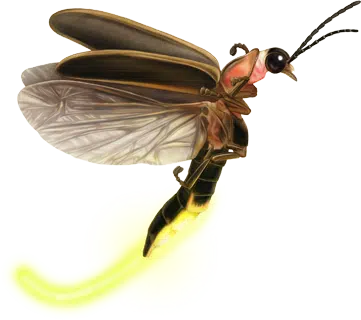
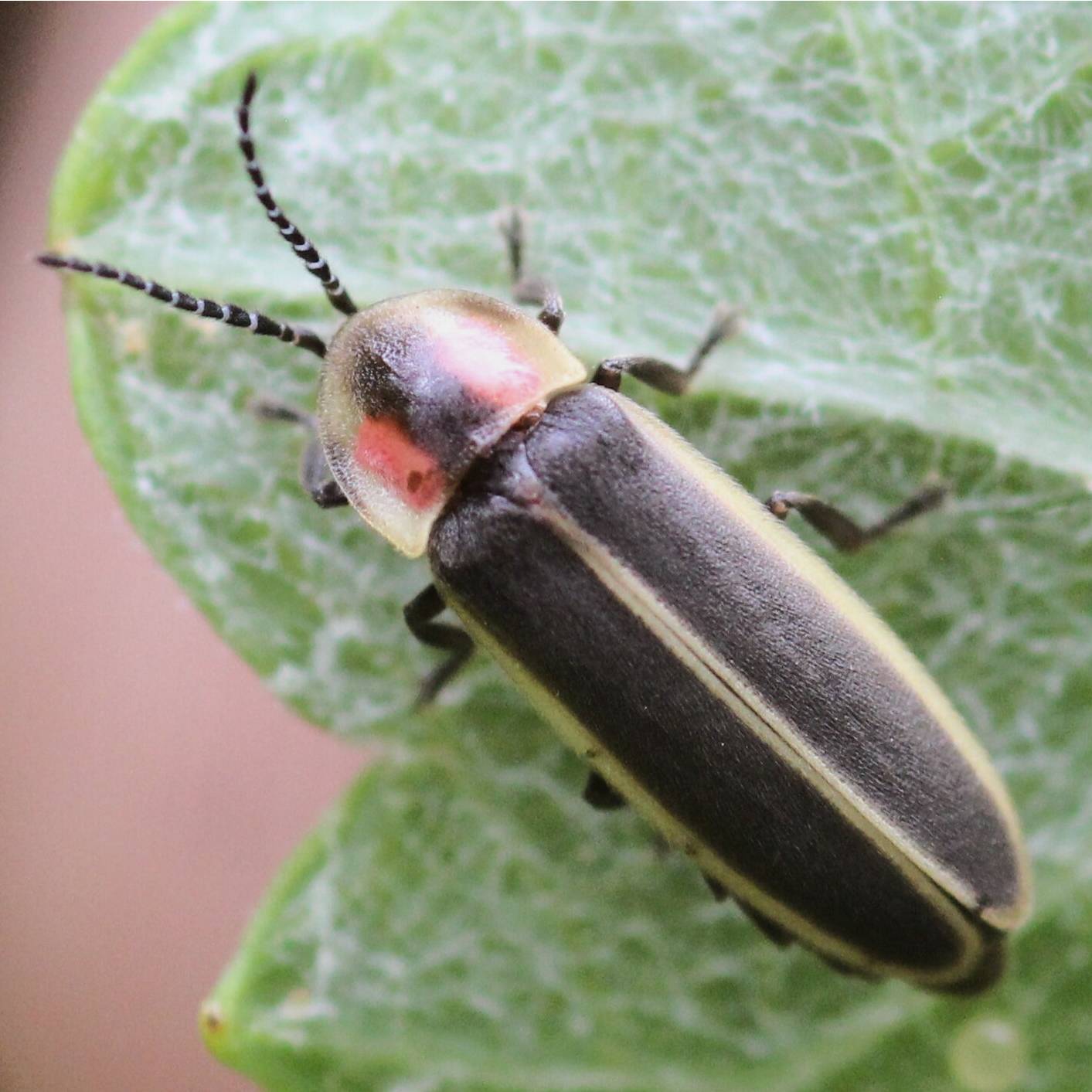
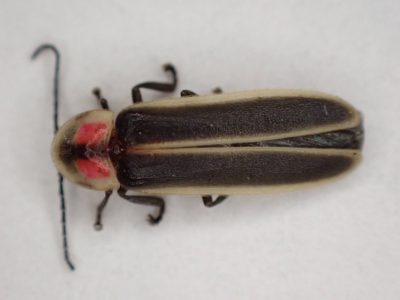
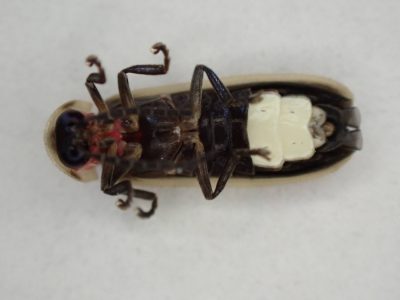
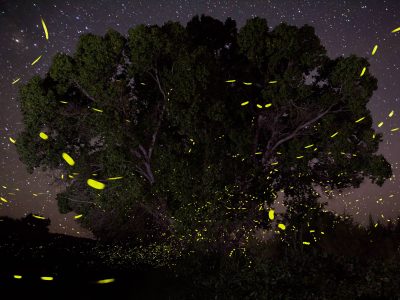
The Southwest synchronous firefly is a flashing species known from southern Arizona and Sonora, Mexico. It is one of just three known synchronous species in the US. At higher densities, males are known to display a unique lek behavior. Adults are active in July and August during the monsoon season and are typically found in areas near permanent water sources. The species is threatened by habitat degradation, light pollution, and drought.

Conservation
Reason(s) For Firefly Atlas Focal Species Designation
Reliably identifiable, Suspected population loss
Status
IUCN Red List
The International Union for Conservation of Nature (IUCN) Red List of Threatened Species is an inventory of the global conservation status and extinction risk of biological species, maintained collectively by scientists worldwide.Vulnerable (VU)
NatureServe
The NatureServe conservation status ranks use a standardized methodology to assess the extinction risk of species, with a focus on the US and Canada. State wildlife agencies and natural heritage programs use these ranks to prioritize species for conservation actions.Globally imperiled to vulnerable (G2G3) Rank not yet assessed in Arizona (SNR)
Species of Greatest Conservation Need Lists
Species of Greatest Conservation Need (SGCN) are lists of species included in State Wildlife Action Plans, identifying animals and plants that need the most conservation attention and resources at the state and region level.None
US Endangered Species Act
The Endangered Species Act is a United States law that provides legal protections to species that are officially listed as endangered or threatened by the US Fish and Wildlife Service.N/A
Threats
Because of its congregating behavior, this synchronous firefly is especially vulnerable to extinction due to human-caused habitat modification and drought. It has already been extirpated from at least one locality.
Location
Distribution
USA
Arizona
Mexico
Sonora
Details
The Southwest synchronous firefly is found in southeastern Arizona and northern Sonora, Mexico.
Habitat
The habitat needs of the Southwest synchronous firefly are not well delineated, although in general, the species is typically found in riparian areas, dry desert washes, and canyon arroyos near permanent water sources.


Behavior
Activity Period
Southwest synchronous fireflies are active after the onset of monsoon rains, typically in July and August but sometimes remaining active into September. Courtship flashing begins 35–120 minutes after sunset.
Flash Pattern
The male flash displays are composed of quick triplet yellow flashes emitted over the course of about one second and repeated every three to five seconds, although flash patterns consisting of just two or up to four or five flashes can also be observed. Female responses are typically composed of a single flash, but can be extremely varied, ranging from short pulses to long, continuous glows.

Sources
Fallon, C. 2024. Firefly species fact sheet: Southwest synchronous firefly, Photinus knulli. The Xerces Society for Invertebrate Conservation. 19 pp. Available at: https://www.fireflyatlas.org/threatenedspecies-fact-sheets/.
Walker, A. and J. Cicero. 2022. Photinus knulli. The IUCN Red List of Threatened Species 2022: e.T164077389A166771848. https://dx.doi.org/10.2305/IUCN.UK.2022-1.RLTS.T164077389A166771848.en. Accessed on 08 September 2025.