Common Name
Southwest spring firefly
Scientific Name
Bicellonycha wickershamorum
Recent Synonyms
None
Adult Male Size
9-10 mm
Diet
Snails
Firefly Atlas Category
Focal species
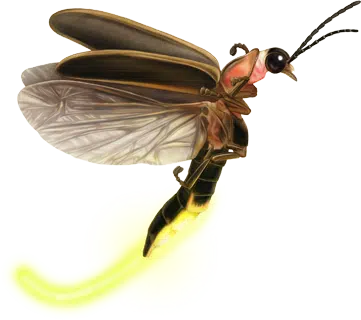
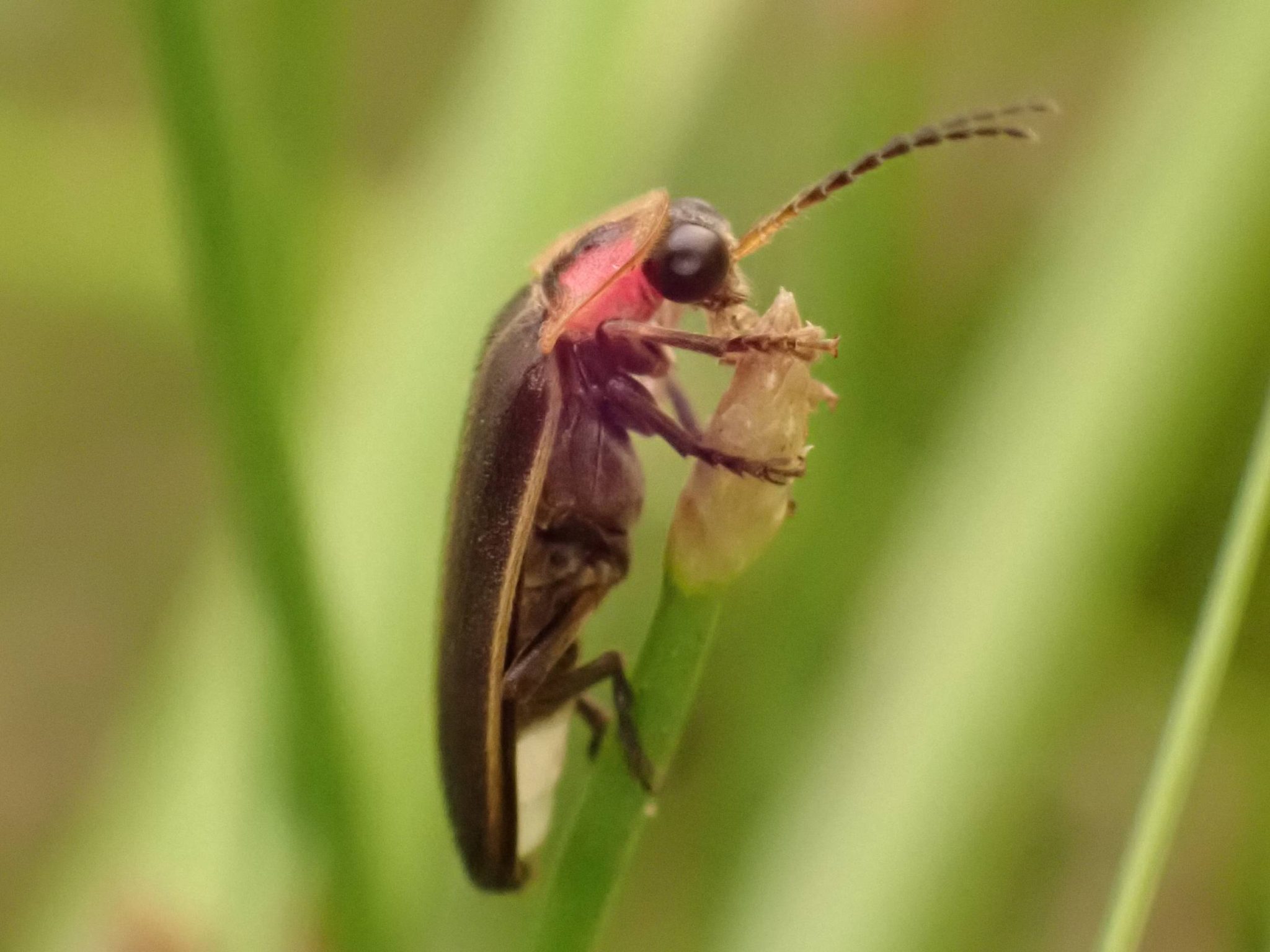
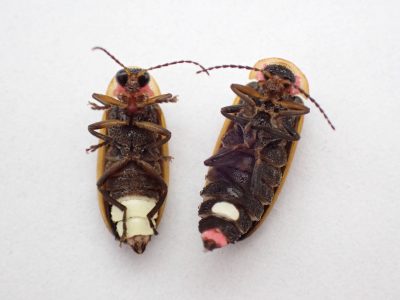
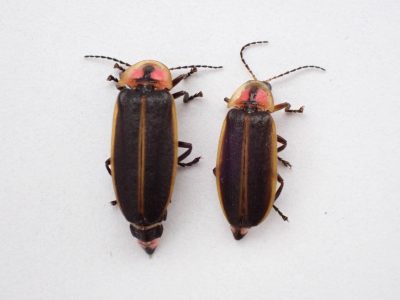
The Southwest spring firefly is a nocturnal flashing firefly species found in the Madrean Sky Islands and Arizona/New Mexico Mountains of Arizona and New Mexico. The species is associated with marshy areas and other wetland habitats along permanent streams, including seeps and springs. Adults are typically active June through July, although it is sometimes seen in May and as late as September. Larvae feed on snails at night and are typically found alongside streams. Late-instar larvae pupate in small mud chambers on the soil surface.
Conservation
Reason(s) For Firefly Atlas Focal Species Designation
Reliably identifiable, Suspected population loss
Status
IUCN Red List
The International Union for Conservation of Nature (IUCN) Red List of Threatened Species is an inventory of the global conservation status and extinction risk of biological species, maintained collectively by scientists worldwide.Vulnerable (VU)
NatureServe
The NatureServe conservation status ranks use a standardized methodology to assess the extinction risk of species, with a focus on the US and Canada. State wildlife agencies and natural heritage programs use these ranks to prioritize species for conservation actions.Globally imperiled to vulnerable (G2G3) Imperiled in Arizona (S2) State rank not yet assessed in New Mexico (SNR)
Species of Greatest Conservation Need Lists
Species of Greatest Conservation Need (SGCN) are lists of species included in State Wildlife Action Plans, identifying animals and plants that need the most conservation attention and resources at the state and region level.None
US Endangered Species Act
The Endangered Species Act is a United States law that provides legal protections to species that are officially listed as endangered or threatened by the US Fish and Wildlife Service.In Review (IR)
Threats
The species is threatened with extinction due to its limited distribution and its reliance on wetland habitats in an increasingly arid landscape. Major threats to the species include increasing drought due to climate change, overuse of groundwater, riparian corridor fragmentation, habitat degradation and direct trampling due to cattle, intrusive recreation, light pollution, and hydrological modifications for farming, ranching, and copper mining.
Location
Distribution
USA
Arizona, New Mexico
Mexico
Sonora
Details
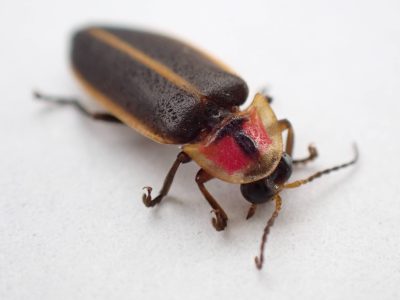
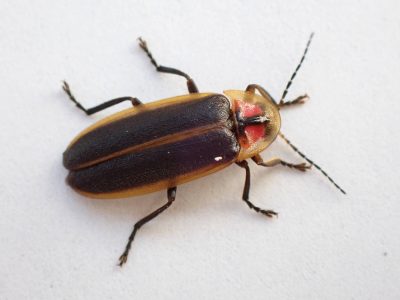
This species has been documented from more than 30 localities on federal and private lands. In Arizona, it is found in Cochise, Graham, Greenlee, Pima, Pinal, Santa Cruz, and Yavapai Counties. It has also recently been reported from Grant County in western New Mexico. In Mexico, it has been observed at a single site (Cajón Bonito) in Sonora.
The nominate subspecies, B. w. wickershamorum, is currently documented from a greater number of sites than B. w. piceum, and can be found in several sky island mountain ranges within the Madrean Archipelago ecoregion, including the Huachuca-Patagonia complex and the Galiuro and Santa Rita Mountains, as well as the surrounding canyons and foothills. The piceum subspecies has been found at several sites throughout the Arizona/New Mexico Mountains ecoregion near the towns of Morenci and Cornville. In 2023, the B. w. piceum subspecies was discovered at Turkey Creek Hot Springs in New Mexico—the first known record for the species in that state.
It is possible that the Southwest spring firefly occurs in additional mountain ranges in the extreme southwestern tip of New Mexico, more extensively in northern Mexico, further throughout New Mexico’s Gila Mountains, or in other areas of the Arizona/New Mexico Mountains ecoregion. Surveys in these remote regions are needed to better understand the distribution limits of the species.
Habitat
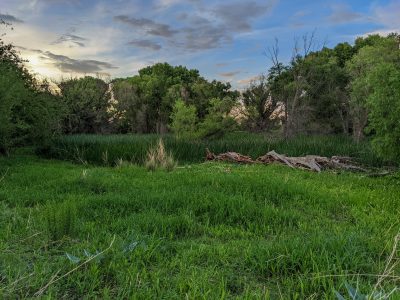
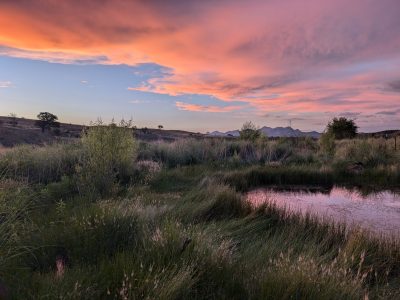
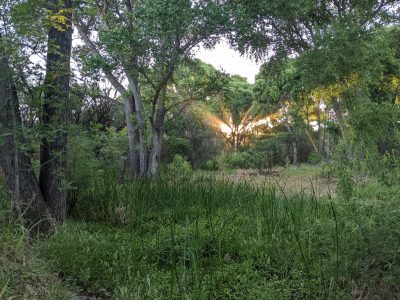
This species typically occurs in marshy areas and other perennial wetland habitats such as seeps and springs along permanent streams and rivers or even around old cattle ponds.
Behavior
Activity Period
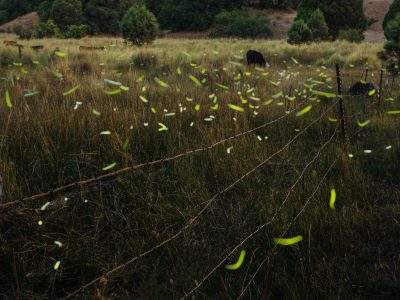
Adults are typically active from early June to late July, before summer monsoons, although the piceum subspecies can emerge earlier, in May. Flashing displays begin at dusk and continue for up to two hours.
Flash Pattern
The courtship flash pattern is a single, quick (about 0.14 seconds), greenish flash, emitted at intervals of about 0.8 seconds.

Sources
Fallon, C. & Cicero, J. 2021. Bicellonycha wickershamorum. The IUCN Red List of Threatened Species 2021: e.T164012501A166771223. https://dx.doi.org/10.2305/IUCN.UK.2021-1.RLTS.T164012501A166771223.en. Accessed on 30 May 2025.
Fallon, C. and A. Walker. 2024. Firefly species fact sheet: Southwest spring firefly, Bicellonycha wickershamorum. The Xerces Society for Invertebrate Conservation and New Mexico BioPark Society. 24 pp. Available at: https://www.fireflyatlas.org/threatened-species-fact-sheets/.
Walker, A. 2024. Guide to fireflies of the Southwest. New Mexico BioPark Society. Available at https://www.fireflyatlas.org/learn/firefly-publications.