Common Name
Loopy five firefly
Scientific Name
Photuris forresti
Recent Synonyms
None
Adult Male Size
11-12 mm
Diet
Soft-bodied invertebrates
Firefly Atlas Category
Focal species
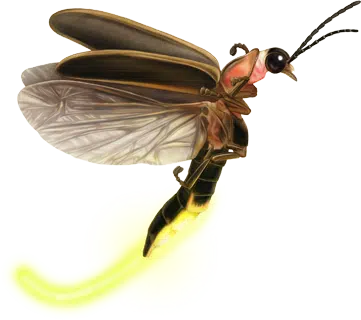
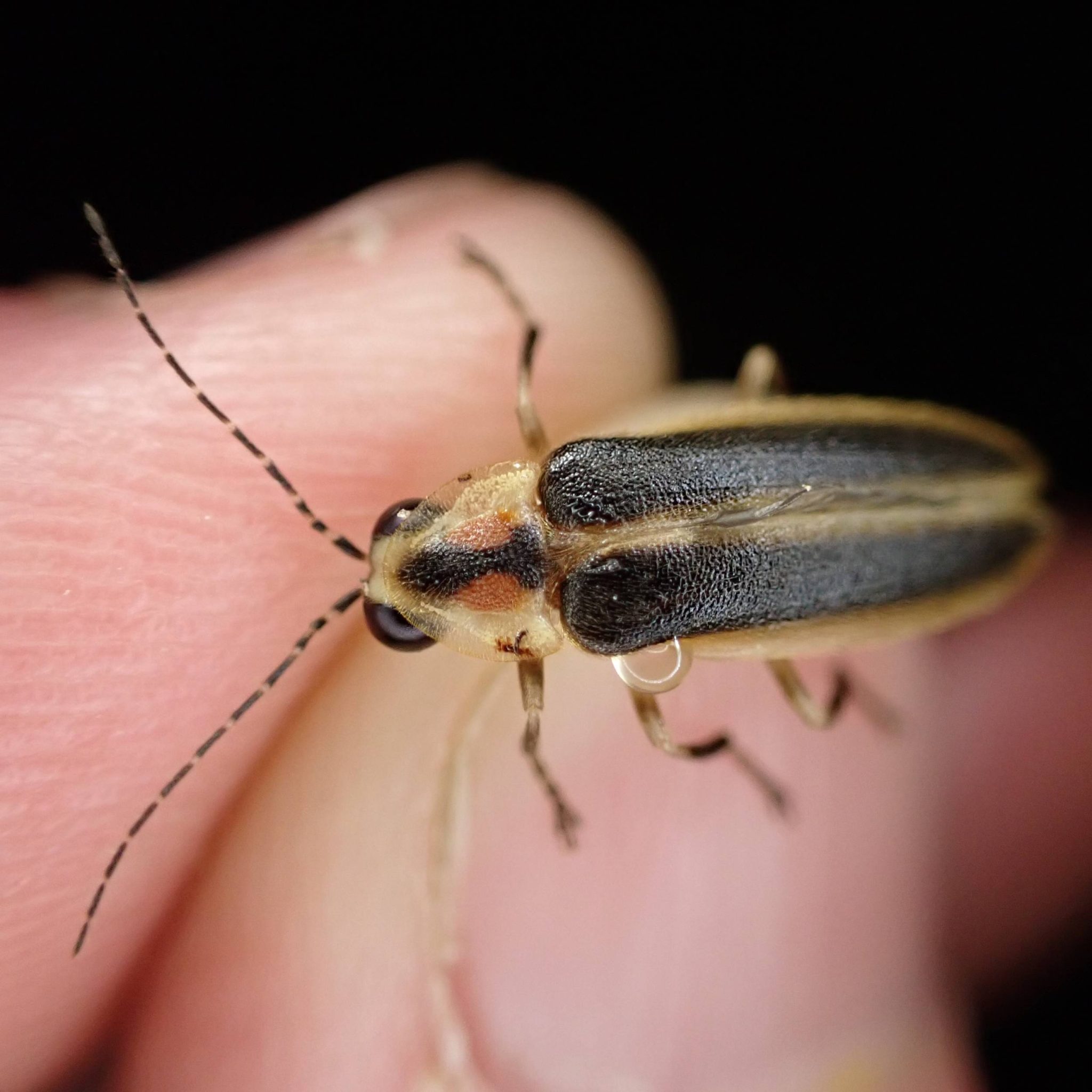
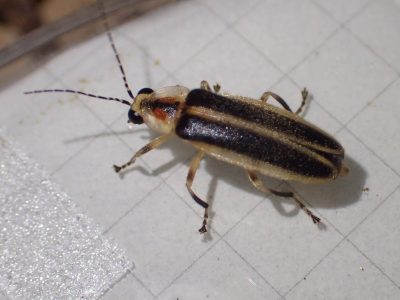
The loopy five firefly is a critically imperiled species found in marsh habitats in Tennessee, Georgia, and South Carolina. It is distinguished by its unique flash pattern, which is composed of a series of greenish-yellow pulses. This firefly is known from only a few sites and is threatened by habitat loss, light pollution, and pesticides. It was petitioned for listing under the U.S. Endangered Species Act in 2023, and a response from the US Fish and Wildlife Service remains pending.
Conservation
Reason(s) For Firefly Atlas Focal Species Designation
Reliably identifiable, Population loss
Status
IUCN Red List
The International Union for Conservation of Nature (IUCN) Red List of Threatened Species is an inventory of the global conservation status and extinction risk of biological species, maintained collectively by scientists worldwide.Endangered (EN)
NatureServe
The NatureServe conservation status ranks use a standardized methodology to assess the extinction risk of species, with a focus on the US and Canada. State wildlife agencies and natural heritage programs use these ranks to prioritize species for conservation actions.Globally critically imperiled (G1) Critically imperiled to imperiled in Georgia and South Carolina (S1S2) Not yet assessed in Tennessee (SNR)
Species of Greatest Conservation Need Lists
Species of Greatest Conservation Need (SGCN) are lists of species included in State Wildlife Action Plans, identifying animals and plants that need the most conservation attention and resources at the state and region level.None
US Endangered Species Act
The Endangered Species Act is a United States law that provides legal protections to species that are officially listed as endangered or threatened by the US Fish and Wildlife Service.Petitioned (P)
Threats
Habitat loss is the main threat to this species; light pollution is also a threat. The type locality population in Pickens Co., South Carolina, was extirpated due to habitat destruction.
Location
Distribution
USA
Georgia, South Carolina, Tennessee
Details
The loopy five firefly is known to occur in South Carolina, Tennessee, and Georgia, where it has been documented from just nine sites. This includes six sites in Georgia (Clarke, Morgan, Oconee, and Walton Counties), two sites in Pickens County, South Carolina (only one of which is extant), and one site in Tennessee (Jefferson County). It is possible that it also occurs in Alabama, North Carolina, or Virginia, which contain the same ecoregions from which this species has been found, as well as similar habitats.
Habitat
Loopy five fireflies are found in and adjacent to palustrine wetlands, including freshwater ponds, freshwater emergent wetlands, and freshwater shrub swamps in middle elevations of the southern Appalachian region. Common vegetation components include broadleaf arrowhead (Sagittaria latifolia), arrow arum (Peltandra virginica), yellow pond lily (Nuphar lutea), cattails (Typha spp.), jewelweed (Impatiens capensis), sedges (Cyperaceae), cutgrass (Leersia sp.), sensitive fern (Onoclea sensibilis), willows (Salix spp.), red maple (Acer rubrum), and smooth alder (Alnus serrulata).



Behavior
Activity Period
Adults are active from one hour after sunset until midnight in May and June.
Flash Pattern
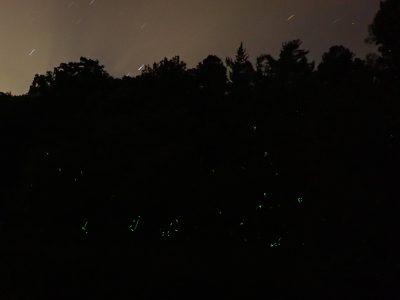
Males of this species have a distinctive courtship flash pattern in which they emit a series of erratic greenish-yellow pulses and prolonged flashes, typically in a five-spot looping pattern (although pulses can number from 4-7). Due to the rapid speed of the flashes, the last flashes in each pattern may appear as a single long, modulated flash. These pulses are emitted over 2.5-3 seconds while rising and falling in space and are repeated at long intervals, typically with dark periods of greater than 10 seconds, which can make it difficult to follow single individuals. Female response is not well documented.

Sources
Joyce, R. 2024. Firefly Species Fact Sheet: Photuris forresti. The Xerces Society for Invertebrate Conservation. 19 pp. Available at: https://www.fireflyatlas.org/threatened-species-fact-sheets/.
Joyce, R., S. Selvaggio, and C. Fallon. 2023. Petition to list the loopy five firefly Photuris forresti (Lloyd), 2018 as an endangered species under the U.S. Endangered Species Act. Available at: https://xerces.org/sites/default/files/publications/Photuris%20forresti%20ESA%20petition_202 3-03-21.pdf.
Walker, A. and L. Faust. 2022. Photuris forresti. The IUCN Red List of Threatened Species 2022, e.T199788991A199817215. https://dx.doi.org/10.2305/IUCN.UK.2022- 1.RLTS.T199788991A199817215.en.