Common Name
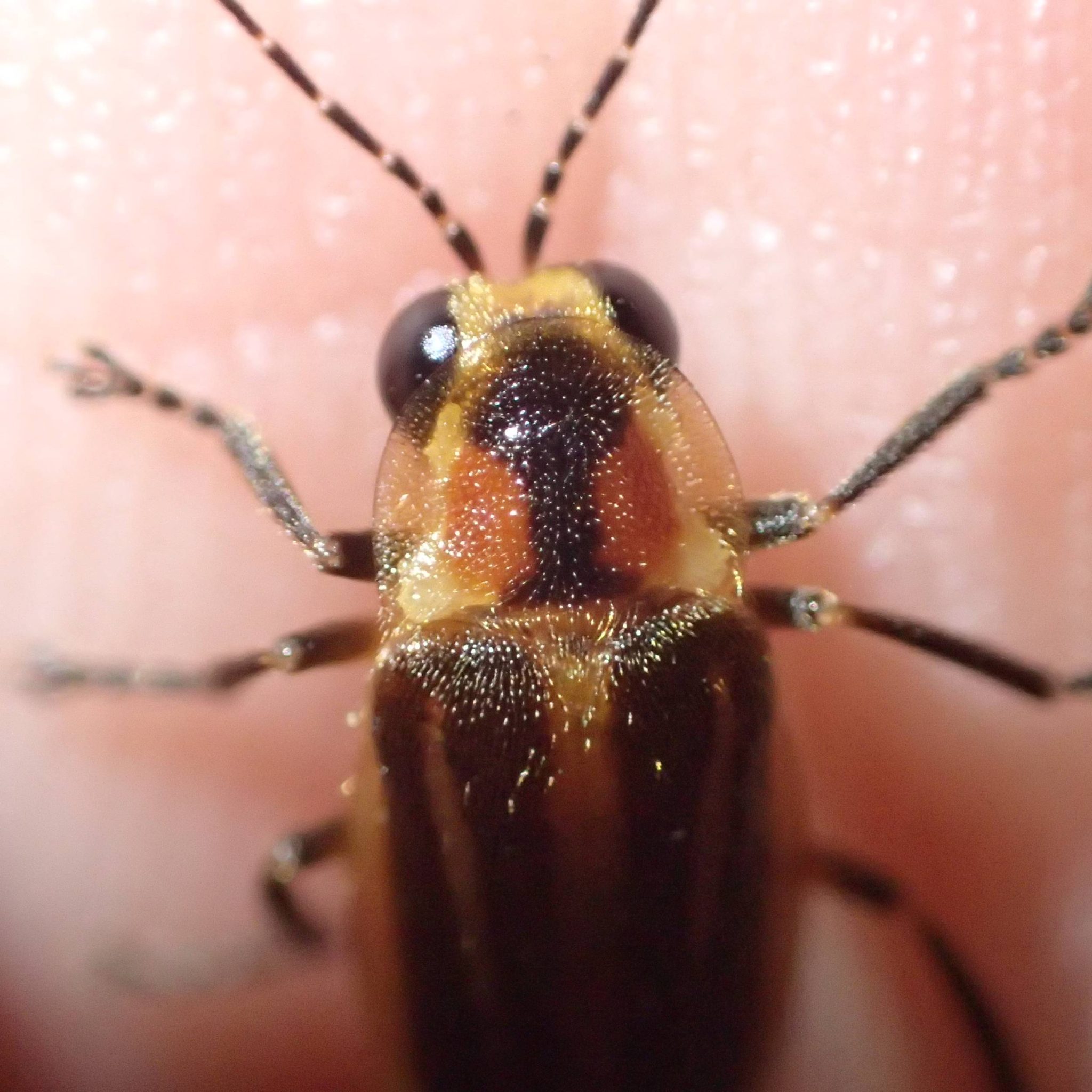
Bethany Beach firefly
Scientific Name
Photuris bethaniensis
Recent Synonyms
None
Adult Male Size
9-10.75 mm
Diet
Snails, worms, and other soft-bodied invertebrates
Firefly Atlas Category
Focal species
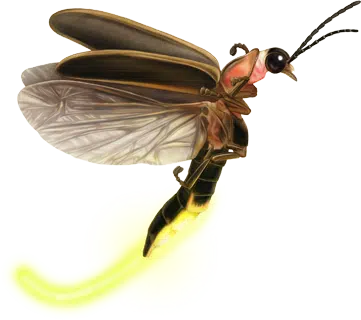
The Bethany Beach firefly is a flashing species known from a narrow stretch of Atlantic coastline from Delaware to Virginia. As a habitat specialist dependent upon a rare habitat type (interdunal freshwater swales), this firefly is threatened with extinction by habitat loss and degradation from development, light pollution, pesticide use, and rising sea levels and storm surges. Active during the summer in full darkness, males emit a double green flash as they fly over their swale habitats, looking for females.
Conservation
Reason(s) For Firefly Atlas Focal Species Designation
Reliably identifiable, Population loss
Status
IUCN Red List
The International Union for Conservation of Nature (IUCN) Red List of Threatened Species is an inventory of the global conservation status and extinction risk of biological species, maintained collectively by scientists worldwide.Critically Endangered (CR)
NatureServe
The NatureServe conservation status ranks use a standardized methodology to assess the extinction risk of species, with a focus on the US and Canada. State wildlife agencies and natural heritage programs use these ranks to prioritize species for conservation actions.Globally critically imperiled (G1) Critically imperiled in Delaware, Maryland, and Virginia (S1)
Species of Greatest Conservation Need Lists
Species of Greatest Conservation Need (SGCN) are lists of species included in State Wildlife Action Plans, identifying animals and plants that need the most conservation attention and resources at the state and region level.Delaware Maryland
US Endangered Species Act
The Endangered Species Act is a United States law that provides legal protections to species that are officially listed as endangered or threatened by the US Fish and Wildlife Service.Proposed Threatened (PT)
Threats
The most significant threats to this species include habitat loss and fragmentation due to coastal development, sea level rise and storm surges, invasive plants, light pollution, and the loss or contamination of groundwater aquifers. There has been a continuing decline in the area, extent, and quality of the Bethany Beach firefly’s habitat; projected continuing decline in number of occupied locations as sea level rises; and an inferred decline in the number of mature individuals, due to the recent loss of a large site to development. Other threats include recreational activities, increased frequency of severe storms that lead to saltwater intrusion, succession of woody and herbaceous open swales to late-successional woody-dominated shrublands, and aerial application of insecticides for mosquito control. Several sites, including the largest known site at Tower Shores, Delaware, have been extirpated due to residential development.
Location
Distribution
USA
Delaware, Maryland, Virginia
Details
The Bethany Beach firefly occurs on barrier islands along the Atlantic coasts of Delaware, Maryland, and Virginia.
Habitat
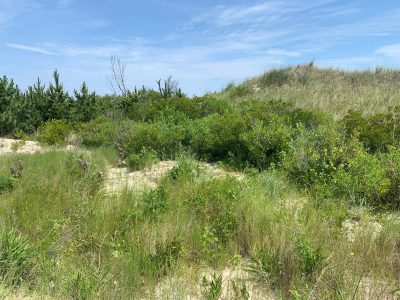
The Bethany Beach firefly is a habitat specialist primarily associated with threatened freshwater interdunal wetlands that occur along a 20-mile stretch of Delaware’s Atlantic coast, although additional populations are now documented in Maryland. These wetland habitats form in barrier beach systems in the shallow depressions found between sand dunes. While brackish swales can be found all along the east coast, freshwater swales are less common. These swales are characterized by saturated soils that are seasonally inundated by freshwater from aquifers and recharged with rainfall. Organic matter that builds up in the swales provides habitat for Bethany Beach firefly larvae, which hunt along the soil surface and pupate in chambers just under the soil surface or under logs.

Behavior
Activity Period
Adults of this species are active after dark from late June to July or August.
Flash Pattern
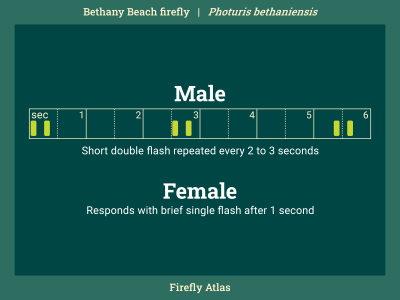
Males emit a distinctive bright green double flash repeated every two to three seconds. Female response is a single flash approximately one second after male flash pattern.
Sources
Fallon, C. and R. Joyce. 2024. Firefly Species Fact Sheet: Bethany Beach firefly, Photuris bethaniensis. The Xerces Society for Invertebrate Conservation. 22 pp. Available at https://www.fireflyatlas.org/threatened-species-fact-sheets/.
Heckscher, C., Walker, A. & Fallon, C. 2021. Photuris bethaniensis. The IUCN Red List of Threatened Species 2021: e.T164045981A166771578. https://dx.doi.org/10.2305/IUCN.UK.2021-1.RLTS.T164045981A166771578.en. Accessed on 11 September 2025.
[USFWS] US Fish and Wildlife Service. 2024. Endangered and Threatened Wildlife and Plants; Threatened Species Status With Section 4(d) Rule for Bethany Beach Firefly. 50 CFR Part 17 Federal Register 89:190.