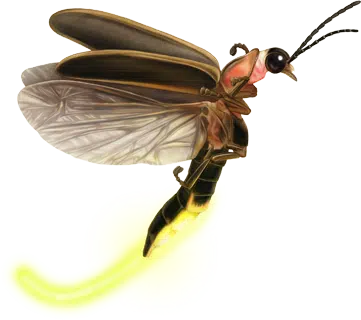
Observation: Photinus macdermotti
Primary Observer:
Elizabeth Shultz
Event Date:
2026-09-28
Status:
Verified


Survey
Site Name:
O'Leno State Park Pine Flatwoods into Hammock behind cabins
Province/State:
Florida
Event Date:
2026-09-28
Time of Day:
Night-Time
Start Time:
21:15
End Time:
21:30
Number of Observers:
10
Primary Observer:
Elizabeth Shultz
Additional Observers:
A group of people from an event joined me, but I am still working on gathering all their names.
Ethan Levine, Chris Cox, Arx H., Kelli Fowler, Analisa Ray, Matt Simmons, Matthew Calero
target_species_genus:
target_species_species:
Location and Habitat
Location Accuracy (meters):
25-50
Habitat Type:
Woodland/Forest - Trees dominant, and in the over-story
Habitat Type Notes:
Elevation (meters):
21
Area Searched (hectares):
Artificial Light Sources
Vehicles: No
Street Lights: No
Buildings: No
Artificial Light Types
Sky Glow (diffuse illumination in the sky): No
Light Trespass (light cast on surfaces beyond its intended target): No
Glare (bright light causing visual discomfort): No
Artificial Light Notes:
Observation
Observation Type:
With Flash Data
Number Observed:
11-50
genus:
photinus
Species:
macdermotti
Observation Notes:
We were not in this area for long, so we saw significantly fewer fireflies than what were likely present. (On subsequent nights, I returned and spent a longer time, observing slightly more than 50 fireflies.)
I accidentally used the wrong side of my ruler, so the photo reflects imperial measurements. The firefly was roughly 7 millimeters.
I'm a little perplexed by what species this may be. Lynn Faust's book lists Photinus consanguineus, Photinus greeni, and Photinus macdermotti. The flash pattern best matches P. macdermotti, but that species is supposedly only active in FL in April and May, according to the Annotated Checklist of Fireflies (Lampyridae) of Florida, compiled by the Xerces Society, 2024. Based on this checklist, I believe the only firefly that is active this time of year that best matches the description of this firefly is P. greeni. Further complicating this, though, is the fact that on iNaturalist, the fireflies identified as P. greeni contradict Faust's book and don't match the appearance of this firefly at all.
Specimen Voucher Number:
Flash Behavior
First Flash Time:
Last Flash Time:
First Flash Temp (F):
Last Flash Temp (F):
Flashes in Pattern:
2
Flash Color:
Yellow
Flash Pattern Period:
7.5
Flash Duration:
.1
Flash Interval:
2
Male Height Zone:
Moderate (3-8 ft), High (over 8 ft)
Flash Location:
A few of the flashes were closer to head height, but most were 8+ feet.
Male Flash Behavior:
Female Flash Behavior:
Status Changes
| DATE | USER | STATUS |
|---|---|---|
| 2026-10-04 19:40:32 | Ellie Shultz | ->unreviewed |
| 2026-10-08 13:39:47 | Richard Joyce | unreviewed->verified |
1 thought on “Observation: Photinus macdermotti”
Leave a Comment
You must be logged in to post a comment.



I changed the ID from Photinus jamesi (formerly Photinus greeni) to Photinus macdermotti based on the flash interval. This is with the caveat that the Photinus consanguineus group is still not fully understood. According to Lloyd’s studies Photinus consanguineus, Photinus jamesi (Photinus greeni) and Photinus macdermotti are all found in Florida.
The morphological traits that Lloyd describes as helping to distinguish members of the group include:
-mid-coxae of Photinus macdermotti are dark versus pale or having pale areas in Photinus consanguineus
–P. macdermotti in Gainesville are an average of 1.3 mm shorter than P. consanguineus
-Photinus jamesi/Photinus greeni are generally more elongate than P. macdermotti and P. consanguineus