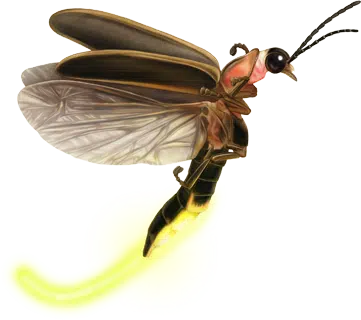
Observation: Photuris whistlerae
Primary Observer:
Jory Fleming
Event Date:
2026-06-03
Status:
Unverified


Survey
Site Name:
DNR - Wateree HP
Province/State:
South Carolina
Event Date:
2026-06-03
Time of Day:
Night-Time
Start Time:
20:00
End Time:
22:15
Number of Observers:
3
Primary Observer:
Jory Fleming
Additional Observers:
Liz Radecki, Jocelyn Falkenstine
target_species_genus:
photuris
target_species_species:
frontalis
Location and Habitat
Location Accuracy (meters):
0-25
Habitat Type:
Forested Wetland - Swamp, cedar bog, mangrove
Habitat Type Notes:
Elevation (meters):
36
Area Searched (hectares):
1
Artificial Light Sources
Vehicles: No
Street Lights: No
Buildings: No
Artificial Light Types
Sky Glow (diffuse illumination in the sky): No
Light Trespass (light cast on surfaces beyond its intended target): No
Glare (bright light causing visual discomfort): No
Artificial Light Notes:
Minimal ALAN.
Observation
Observation Type:
With Flash Data
Number Observed:
1
genus:
photuris
Species:
whistlerae
Observation Notes:
Body length 11mm. Observed flying amidst the branches of a tree. Stayed close to the tree limbs.
Specimen Voucher Number:
Flash Behavior
First Flash Time:
21:35
Last Flash Time:
21:35
First Flash Temp (F):
74.6
Last Flash Temp (F):
74.6
Flashes in Pattern:
1
Flash Color:
Green
Flash Pattern Period:
1.35
Flash Duration:
0.25
Flash Interval:
0.9
Male Height Zone:
Moderate (3-8 ft), High (over 8 ft)
Flash Location:
Flying high, and staying close to the trunk and limbs of a tree.
Male Flash Behavior:
Flash color was in between white and green. Flash sequence observed 4 times before netting.
Female Flash Behavior:
Status Changes
| DATE | USER | STATUS |
|---|---|---|
| 2026-10-04 18:40:51 | Jory Fleming | ->unreviewed |
| 2026-11-16 19:57:57 | Richard Joyce | unreviewed->unverified |
1 thought on “Observation: Photuris whistlerae”
Leave a Comment
You must be logged in to post a comment.



The relatively small size (11 mm), pale hind coxae and legs, “delicate” appearance and flash behavior is suggestive of a member of the Photuris cinctipennis group, such as Photuris whistlerae.
Some of the traits distinguishing these species are pretty subtle, including aspects of flash behavior (simple flashes vs. crescendos vs. flickers) and morphological characters such as how pointy the tips of the elytra are, the presence of two lateral denticles on the labrum, and wide elytral margins.
South Carolina is between the two areas where Photuris cinctipennis group species have been most studied (the DC area for P. cinctipennis sensu stricto and Florida for P. whistlerae and P. branhami).
One of the tricky things about Photuris cinctipennis is that Barber’s original description did not include flash pattern details of high confidence (it appears on Barber’s chart with a ~4 second flash pattern period, but there are reasons to believe this was less-than-reliable).
Because P. whistlerae is the only member of the group recorded in SC so far, I am tentatively identifying this record as Photuris whistlerae. More detailed flash pattern observations in future seasons, as well as morphological comparisons verified P. cinctipennis and P. whistlerae specimens could help to confirm.