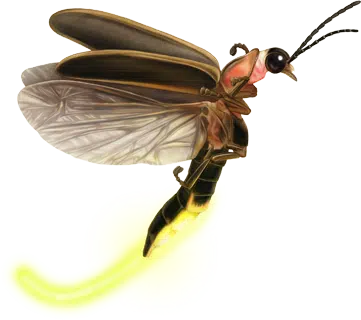
Observation: Photuris hebes
Primary Observer:
Jory Fleming
Event Date:
2026-05-15
Status:
Unverified


Survey
Site Name:
Undisclosed
Province/State:
South Carolina
Event Date:
2026-05-15
Time of Day:
Night-Time
Start Time:
20:00
End Time:
21:45
Number of Observers:
15
Primary Observer:
Jory Fleming
Additional Observers:
Liz Radecki, SCWF & SC Master Naturalists
target_species_genus:
unknown
target_species_species:
unknown
Location and Habitat
Location Accuracy (meters):
0-25
Habitat Type:
Forested Wetland - Swamp, cedar bog, mangrove
Habitat Type Notes:
A creek is nearby the sample site. The forest habitat transitions from swamp forest to mixed forest.
Elevation (meters):
45
Area Searched (hectares):
1
Artificial Light Sources
Vehicles: No
Street Lights: Yes
Buildings: No
Artificial Light Types
Sky Glow (diffuse illumination in the sky): Yes
Light Trespass (light cast on surfaces beyond its intended target): Yes
Glare (bright light causing visual discomfort): Yes
Artificial Light Notes:
Very high ALAN from SCE&G streetlights along the trail, spaced every 10-15 feet. Unshielded, casting bright white LED along the entire trail and a considerable distance into the forest.
Observation
Observation Type:
Without Flash Data
Number Observed:
2-10
genus:
photuris
Species:
hebes
Observation Notes:
Body length 11.5mm. Observed in forest understory.
Specimen Voucher Number:
Flash Behavior
First Flash Time:
Last Flash Time:
First Flash Temp (F):
Last Flash Temp (F):
Flashes in Pattern:
Flash Color:
Flash Pattern Period:
Flash Duration:
Flash Interval:
Male Height Zone:
Flash Location:
Male Flash Behavior:
Female Flash Behavior:
Status Changes
| DATE | USER | STATUS |
|---|---|---|
| 2026-10-04 17:35:11 | Jory Fleming | ->unreviewed |
| 2026-11-03 20:44:02 | Richard Joyce | unreviewed->unverified |
1 thought on “Observation: Photuris hebes”
Leave a Comment
You must be logged in to post a comment.



Photuris hebes is a reasonable ID based on the pale hind coxae, small/medium size, and upland habitat.
If we had flash pattern details, I’d want to compare them with Lloyd’s descriptions of Photuris carrorum, cinctipennis, moorei, paludivulpes, stanleyi and whistleri, which are other small Photuris with pale hind coxae of the southeast.