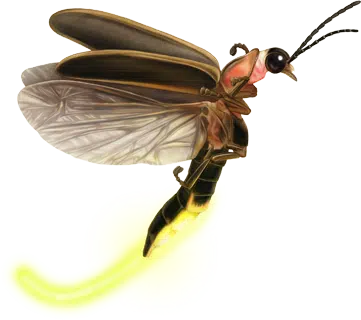
Observation: Photuris douglasae
Primary Observer:
Ellie Shultz
Event Date:
2026-09-10
Status:
Unreviewed


Survey
Site Name:
Blue Spring State Park
Province/State:
Florida
Event Date:
2026-09-10
Time of Day:
Night-Time
Start Time:
19:30
End Time:
21:35
Number of Observers:
3
Primary Observer:
Ellie Shultz
Additional Observers:
Val Hahn, Karen Hale
target_species_genus:
unknown
target_species_species:
unknown
Location and Habitat
Location Accuracy (meters):
>1000
Habitat Type:
Developed - Sub/urban areas; parks/gardens
Habitat Type Notes:
Open grassy lawn in front of the Thursby house, bordered by the hardwood hammock, spring run, St Johns River, and a parking lot.
This lawn does get mowed every week, and it had actually been mowed this morning prior to tonight's survey. The mowing didn't seem to affect the number of fireflies, as there were no fewer on this night than we saw on the previous night when the grass had grown out for a week.
Elevation (meters):
21
Area Searched (hectares):
50
Artificial Light Sources
Vehicles: No
Street Lights: Yes
Buildings: Yes
Street Lights: Yes
Buildings: Yes
Artificial Light Types
Sky Glow (diffuse illumination in the sky): No
Light Trespass (light cast on surfaces beyond its intended target): Yes
Glare (bright light causing visual discomfort): Yes
Light Trespass (light cast on surfaces beyond its intended target): Yes
Glare (bright light causing visual discomfort): Yes
Artificial Light Notes:
There was light from the bathroom building on the other side of the lawn.
The biggest light source, though, was a big street light in the parking lot. It was a very orange/amber color, but it cast the light far and made it extremely difficult to tell the difference between a firefly flash and a reflection from dewdrops on the grass.
Observation
Observation Type:
Without Flash Data
Number Observed:
11-50
genus:
photuris
Species:
douglasae
Observation Notes:
We observed these only in the Thursby lawn, not in the forested area.
I'm not fully confident on the ID, but it looks very similar to the Photuris douglasae fireflies we catch at the nearby Lake Woodruff NWR. Lloyd's 2018 Photuris book states that the femme fatales of this species predate upon Photinus collustrans, which we know we have at Blue Spring.
Both nights that we surveyed, we saw a small handful of these fireflies with extremely variable flash patterns. All the ones we caught were females, but there were several others that moved too quickly or erratically to be able to catch, so those might have been the males, or possibly another species.
Specimen Voucher Number:
Flash Behavior
First Flash Time:
Last Flash Time:
First Flash Temp (F):
Last Flash Temp (F):
Flashes in Pattern:
Flash Color:
Flash Pattern Period:
Flash Duration:
Flash Interval:
Male Height Zone:
Flash Location:
Male Flash Behavior:
Female Flash Behavior:
Females were observed flying around at varying heights, displaying variable flash patterns. A few times, we observed one flickering quickly as she flew downward and landed on the ground.