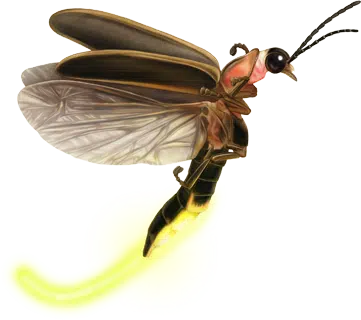
Observation: Pyractomena ecostata
Primary Observer:
Stephen Greenwood
Event Date:
2026-08-04
Status:
Verified


Survey
Site Name:
Steamboat Landing - Cheesequake SP
Province/State:
New Jersey
Event Date:
2026-08-04
Time of Day:
Night-Time
Start Time:
20:30
End Time:
22:00
Number of Observers:
2
Primary Observer:
Stephen Greenwood
Additional Observers:
Joanna Greenwood
target_species_genus:
pyractomena
target_species_species:
ecostata
Location and Habitat
Location Accuracy (meters):
0-25
Habitat Type:
Tidal Marsh - Salt marsh or brackish marsh
Habitat Type Notes:
Sporobolus pumilus, Iva frutescens, Phragmites australis
Elevation (meters):
2
Area Searched (hectares):
1
Artificial Light Sources
Vehicles: Yes
Street Lights: No
Buildings: Yes
Artificial Light Types
Sky Glow (diffuse illumination in the sky): Yes
Light Trespass (light cast on surfaces beyond its intended target): Yes
Glare (bright light causing visual discomfort): No
Artificial Light Notes:
Sky glow from direction of NYC, significant light from vehicles on the Garden State Parkway. Some building light visible, mostly to the north with a few residential light visible to the south.
Observation
Observation Type:
With Flash Data
Number Observed:
11-50
genus:
pyractomena
Species:
ecostata
Observation Notes:
~0.5 inches long. Strongly favored salt hay (Sporobolus pumilus), though one female appeared to be flashing from a more elevated location towards the back of the survey area on either phragmites or marsh elder.
Specimen Voucher Number:
Flash Behavior
First Flash Time:
20:50
Last Flash Time:
22:00
First Flash Temp (F):
73
Last Flash Temp (F):
72
Flashes in Pattern:
1
Flash Color:
Green
Flash Pattern Period:
8
Flash Duration:
1
Flash Interval:
7
Male Height Zone:
Moderate (3-8 ft)
Flash Location:
Females flashed from the tops of blades of Sporobolus pumilus, males flashed at roughly 4-5 feet
Male Flash Behavior:
Short single flashes every eight seconds given while flying. Few flashing at any given time. When caught and held they seemed to turn on their "hazard lights" and began blinking on and off continuously, perhaps every 1-2s.
Female Flash Behavior:
Females appeared to flash roughly every 90 seconds. One individual female gave a flash every 90s, then a second flash after 5s, then again after 90s on repeat. Others only gave single flashes on the same ~90s timer (though was as much as 104s in the first female of the night). A female which we both spent a fair bit of time photographing flashed far more frequently than the others, perhaps every 30s (estimate, not measured) which seemed anomalous due to the disturbance, but I will nonetheless note.
Status Changes
| DATE | USER | STATUS |
|---|---|---|
| 2026-08-05 17:40:31 | Stephen Greenwood | ->unreviewed |
| 2026-09-10 03:37:29 | Richard Joyce | unreviewed->verified |