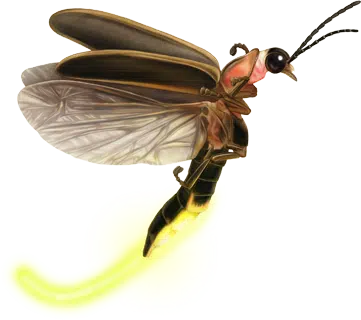
Observation: Photinus marginellus
Primary Observer:
Lisa Zimmerman
Event Date:
2026-07-15
Status:
Unreviewed


Survey
Site Name:
Kelly’s Run Site 3
Province/State:
Pennsylvania
Event Date:
2026-07-15
Time of Day:
Night-Time
Start Time:
20:30
End Time:
21:50
Number of Observers:
2
Primary Observer:
Lisa Zimmerman
Additional Observers:
Mara Zimmerman
target_species_genus:
unknown
target_species_species:
unknown
Location and Habitat
Location Accuracy (meters):
25-50
Habitat Type:
Woodland/Forest - Trees dominant, and in the over-story
Habitat Type Notes:
Some sections of the forest had small clearings filled with invasive grassy plants.
Elevation (meters):
218.4
Area Searched (hectares):
74.83
Artificial Light Sources
Vehicles: No
Street Lights: No
Buildings: No
Artificial Light Types
Sky Glow (diffuse illumination in the sky): Yes
Light Trespass (light cast on surfaces beyond its intended target): No
Glare (bright light causing visual discomfort): No
Artificial Light Notes:
Observation
Observation Type:
With Flash Data
Number Observed:
11-50
genus:
photinus
Species:
marginellus
Observation Notes:
Mostly observed flashing in the shrubs and grasses at the edge of the path but some males moved up into the lower to mid tree canopy as the night progressed. The specimen that was caught measured 1 cm.
Specimen Voucher Number:
Flash Behavior
First Flash Time:
20:40
Last Flash Time:
21:15
First Flash Temp (F):
87.6
Last Flash Temp (F):
87.4
Flashes in Pattern:
1
Flash Color:
Yellow
Flash Pattern Period:
1.5
Flash Duration:
0.13
Flash Interval:
1.37
Male Height Zone:
Low (0-3 ft), Moderate (3-8 ft)
Flash Location:
Flashes were heavily concentrated in the clearings filled with mile-a-minute, and stilt grass with males flying in and right above the grasses. However, preferred the flashing in the shrubs within the dense forested areas.
Male Flash Behavior:
Males flashed in quick pulses and predominantly stayed low to the ground in and around shrubs and grasses. However as the night progressed, some males rose higher into the canopy.
Female Flash Behavior:
Status Changes
| DATE | USER | STATUS |
|---|---|---|
| 2026-07-16 18:45:19 | Lisa Zimmerman | ->unreviewed |