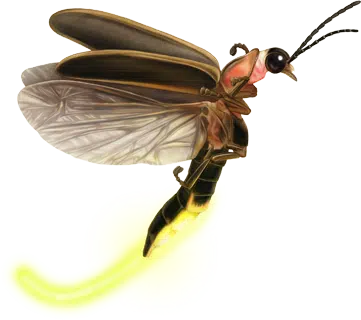
Observation: Photinus
Primary Observer:
Christopher D Winkler
Event Date:
2026-07-05
Status:
Unreviewed

Survey
Site Name:
fireflyatlas.org
Province/State:
Pennsylvania
Event Date:
2026-07-05
Time of Day:
Day-Time
Start Time:
06:44
End Time:
06:45
Number of Observers:
1
Primary Observer:
Christopher D Winkler
Additional Observers:
NA
target_species_genus:
target_species_species:
Location and Habitat
Location Accuracy (meters):
0-25
Habitat Type:
Grassland/Meadow - Meadow, open, grasses dominant
Habitat Type Notes:
I don't know how to answer these questions. I was just in my backyard. I live in a rural, mostly wooded area, except for the lawns of the houses here. People also have various shrubs and bushes.
Elevation (meters):
435.2544
Area Searched (hectares):
Artificial Light Sources
Vehicles: No
Street Lights: No
Buildings: No
Street Lights: No
Buildings: No
Artificial Light Types
Sky Glow (diffuse illumination in the sky): Yes
Light Trespass (light cast on surfaces beyond its intended target): No
Glare (bright light causing visual discomfort): No
Light Trespass (light cast on surfaces beyond its intended target): No
Glare (bright light causing visual discomfort): No
Artificial Light Notes:
Observation
Observation Type:
Without Flash Data
Number Observed:
2-10
genus:
photinus
Species:
unknown
Observation Notes:
I donl't know how to answer these questions. I'm just a guy trying to share what I saw. And what i saw was two fireflies mating on a table in my backyard early one morning.
Specimen Voucher Number:
Flash Behavior
First Flash Time:
Last Flash Time:
First Flash Temp (F):
Last Flash Temp (F):
Flashes in Pattern:
Flash Color:
Flash Pattern Period:
Flash Duration:
Flash Interval:
Male Height Zone:
Flash Location:
Male Flash Behavior:
Female Flash Behavior:
Status Changes
| DATE | USER | STATUS |
|---|---|---|
| 2026-07-05 19:35:53 | Christopher Winkler | ->unreviewed |
1 thought on “Observation: Photinus”
Leave a Comment
You must be logged in to post a comment.



Thanks for this data submission! The insects you photographed were actually moths (looks like grapeleaf skeletonizer moths, not fireflies.
Lots of different insects use a similar color scheme to warn predators of their toxicity, so it can be tricky to differentiate fireflies from look-alikes based just on color patterns.