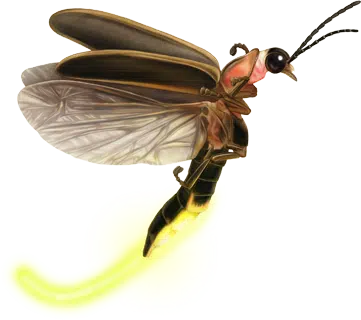
Observation: Photuris hebes
Primary Observer:
Skye Young
Event Date:
2026-06-09
Status:
Unreviewed


Survey
Site Name:
Undisclosed
Province/State:
North Carolina
Event Date:
2026-06-09
Time of Day:
Night-Time
Start Time:
20:30
End Time:
10:00
Number of Observers:
2
Primary Observer:
Skye Young
Additional Observers:
Megan Knight
target_species_genus:
photuris
target_species_species:
forresti
Location and Habitat
Location Accuracy (meters):
0-25
Habitat Type:
Woodland/Forest - Trees dominant, and in the over-story
Habitat Type Notes:
Elevation (meters):
210.88 m
Area Searched (hectares):
0.005
Artificial Light Sources
Vehicles: No
Street Lights: No
Buildings: No
Artificial Light Types
Sky Glow (diffuse illumination in the sky): Yes
Light Trespass (light cast on surfaces beyond its intended target): No
Glare (bright light causing visual discomfort): No
Artificial Light Notes:
Observation
Observation Type:
With Flash Data
Number Observed:
2-10
genus:
photuris
Species:
hebes
Observation Notes:
Body length appx 1.8-2 cm; continued flashing, high in canopy near creek and just into the woods along the creek; returned 6/23/26 and it was no longer present
Specimen Voucher Number:
Flash Behavior
First Flash Time:
21:10
Last Flash Time:
21:50
First Flash Temp (F):
74
Last Flash Temp (F):
74
Flashes in Pattern:
1
Flash Color:
Green
Flash Pattern Period:
.5
Flash Duration:
.3
Flash Interval:
.2
Male Height Zone:
High (over 8 ft)
Flash Location:
Flash trains up in canopy – lowest they came down was about 8 ft; fast flyers (or perceived to be fast since their flash pattern was consistent) and relatively direct flying pattern
Male Flash Behavior:
We have a video we can share of it flashing in a specimen box (though its pattern was a little disrupted). Flash was fast and green–perhaps the distress flash? We timed the flash duration/interval after catching it and not beforehand, so it's likely the data was based off the distress flash and not it's natural flash pattern which I believe was closer to once a second.
Female Flash Behavior:
Status Changes
| DATE | USER | STATUS |
|---|---|---|
| 2026-06-22 22:38:18 | Skye Young | ->unreviewed |