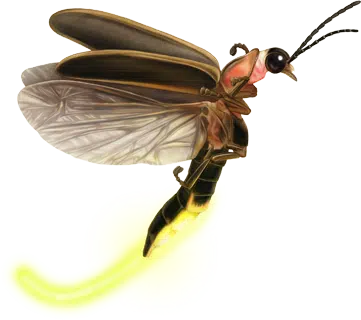
Observation: Bicellonycha wickershamorum
Primary Observer:
Tony Palmer
Event Date:
2026-06-15
Status:
Unreviewed


Survey
Site Name:
Undisclosed
Province/State:
Arizona
Event Date:
2026-06-15
Time of Day:
Night-Time
Start Time:
18:30
End Time:
20:45
Number of Observers:
2
Primary Observer:
Tony Palmer
Additional Observers:
Julius Schlosburg
target_species_genus:
bicellonycha
target_species_species:
wickershamorum
Location and Habitat
Location Accuracy (meters):
25-50
Habitat Type:
Riparian - Areas Along lake or stream
Habitat Type Notes:
Riparian Cottonwood gallery:
Freemont's Cottonwood
Velvet Mesquite
Yerba Manza
Giant Sacaton
Rushes (Equisetum)
Sedges
Cattails
Arizona Sycamore
Cutleaf Water Parsnip
Elevation (meters):
~1,372
Area Searched (hectares):
4
Artificial Light Sources
Vehicles: No
Street Lights: No
Buildings: No
Artificial Light Types
Sky Glow (diffuse illumination in the sky): Yes
Light Trespass (light cast on surfaces beyond its intended target): No
Glare (bright light causing visual discomfort): No
Artificial Light Notes:
area had good canopy cover, but small light domes were visible.
Observation
Observation Type:
With Flash Data
Number Observed:
2-10
genus:
bicellonycha
Species:
wickershamorum
Observation Notes:
7 males
1 female
1 larva
Specimen Voucher Number:
Flash Behavior
First Flash Time:
18:49
Last Flash Time:
19:45
First Flash Temp (F):
80
Last Flash Temp (F):
79
Flashes in Pattern:
1
Flash Color:
Green
Flash Pattern Period:
5-45
Flash Duration:
1.5
Flash Interval:
1-2
Male Height Zone:
Low (0-3 ft), Moderate (3-8 ft), High (over 8 ft)
Flash Location:
Flashing started in emergent vegetation and the males would fly to heights between 0.5-15 feet.
Females flashed from Emergent vegetation, and larva flashed from the ground in areas of thick leaf litter.
Male Flash Behavior:
1.5 second flashes repeated continuously in 1-2 second intervals, as the males patrolled.
Flashing was sporadic with one or two males flashing for up to 45 seconds before going dark for several minutes.
There were several lulls in flashing activity
Female Flash Behavior:
female flashed repeatedly from emergent vegetation for about 10 seconds around 7:15PM before going dark the remainder of the survey
Status Changes
| DATE | USER | STATUS |
|---|---|---|
| 2026-06-17 18:00:39 | Tony Palmer | ->unreviewed |