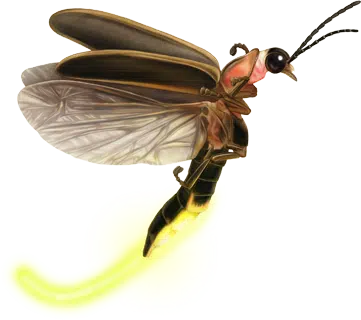
Observation: Photuris pensylvanica
Primary Observer:
Mary Patterson
Event Date:
2026-06-05
Status:
Unreviewed


Survey
Site Name:
Undisclosed
Province/State:
Pennsylvania
Event Date:
2026-06-05
Time of Day:
Night-Time
Start Time:
21:00
End Time:
22:00
Number of Observers:
2
Primary Observer:
Mary Patterson
Additional Observers:
Ross Patterson
target_species_genus:
unknown
target_species_species:
unknown
Location and Habitat
Location Accuracy (meters):
0-25
Habitat Type:
Developed - Sub/urban areas; parks/gardens
Habitat Type Notes:
front garden of our home, mix of native and ornamental species
Elevation (meters):
243
Area Searched (hectares):
0.10117
Artificial Light Sources
Vehicles: No
Street Lights: No
Buildings: Yes
Artificial Light Types
Sky Glow (diffuse illumination in the sky): No
Light Trespass (light cast on surfaces beyond its intended target): No
Glare (bright light causing visual discomfort): Yes
Artificial Light Notes:
There is a church at end of block that has an incredibly bright light on top of telephone pole at the corner. This light is on every night all year long. This note will hold true for any observations at this location for the front of the property or the pond across the road from my home. I will only include this note once, not with every observation.
Observation
Observation Type:
With Flash Data
Number Observed:
2-10
genus:
photuris
Species:
pensylvanica
Observation Notes:
This beetle photographed was low in the vegetation and suspect may have been its first evening out, perhaps. Or a female laying low, but not sure. Did not see any flight. There were others in flight across the road. Directly across from our home is a steep bank and a large pond. Several flying in that margin area and over the water. Saw some with same flash pattern on other side of bank of pond.
Specimen Voucher Number:
Flash Behavior
First Flash Time:
21:20
Last Flash Time:
21:40
First Flash Temp (F):
71
Last Flash Temp (F):
68
Flashes in Pattern:
1
Flash Color:
Green
Flash Pattern Period:
1
Flash Duration:
1
Flash Interval:
3
Male Height Zone:
Low (0-3 ft), Moderate (3-8 ft)
Flash Location:
Specimen photographed was low in vegetation of an ornamental garden flashing.
Others in flight were flashing along grassy strip and natural vegetation area of pond bank with some being over the water at a height of between 2-12 feet. This area has lawn, invasives, natives, large trees, tall grass & mown grass.
Male Flash Behavior:
Female Flash Behavior:
Status Changes
| DATE | USER | STATUS |
|---|---|---|
| 2026-06-06 16:00:33 | Mary Patterson | ->unreviewed |
1 thought on “Observation: Photuris pensylvanica”
Leave a Comment
You must be logged in to post a comment.



Thank you for submitting this firefly observation and survey! These are great photos and notes.
Peggy is correct that this is a firefly in the genus Photuris– in addition to the clues that Peggy mentioned, other Photuris characteristics include a hunched posture and long legs.
The firefly you photographed is a male, based on how the light organs fill two entire segments (in females each light organ is an oblong, flying saucer shape that does not fill the segment).
A note about flash pattern terminology: these terms are not very intuitive, so I suggest consulting the flash pattern diagram found on the back of the data sheet or here: https://www.fireflyatlas.org/learn/firefly-anatomy-and-flash-patterns. A flash pattern is the unit that repeats fairly consistently (this unit might be a single flash, a pair of flashes or a set of multiple flashes). Flash pattern period is the time between the start of a pattern and when it repeats. (This can be as short as 1 second in some species to as long as 8 seconds or more in some species.) Flash duration is how long each pulse (flash or blink) lasted. In many cases this is too short to measure accurately, but might be around 0.1-0.25 seconds in the case of quick blinks, ~0.5 seconds in species with longer, leisurely flashes, or 1 second or more in species whose flash is more of a slow glow.
Firefly surveys involve a learning curve for all of us, so keep up it up and don’t get discouraged! We’re happy to provide guidance along the way.