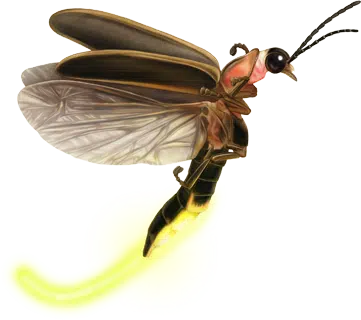
Observation: Photuris
Primary Observer:
Eric Byrd
Event Date:
2026-06-02
Status:
Unverified


Survey
Site Name:
Winterset Site 1
Province/State:
Iowa
Event Date:
2026-06-02
Time of Day:
Night-Time
Start Time:
20:50
End Time:
21:30
Number of Observers:
1
Primary Observer:
Eric Byrd
Additional Observers:
target_species_genus:
unknown
target_species_species:
unknown
Location and Habitat
Location Accuracy (meters):
0-25
Habitat Type:
Developed - Sub/urban areas; parks/gardens
Habitat Type Notes:
Habitat:
Hardwood trees following upland branch of riparian habitat: Dominate species include Black Walnut; Hickory; Bur Oak; Cottonwood; American Plum; Rough Dogwood; Honeylocust; White Pine; Willows.
Land to the West of riparian habitat is hayed (3x/year). Unknown if herbicide or pesticide are applied.
The land to the east is ~1 hectare wildflower mix (planted in 2012). Dominate species include Golden Alexanders; Ohio Spiderwart; Common Milkweed; Big Bluestem; Little Bluestem; Ox-eye; Maximilian; Ironweed; Rattlesnake Master; Purple Coneflower; Cup Plant; White Wild Indigo; Bergamont.
Part of the Wildflower area includes .1 hectare rain garden...which is managed for herbaceous only plants.
Elevation (meters):
335
Area Searched (hectares):
.5 hectares
Artificial Light Sources
Vehicles: No
Street Lights: Yes
Buildings: Yes
Artificial Light Types
Sky Glow (diffuse illumination in the sky): No
Light Trespass (light cast on surfaces beyond its intended target): Yes
Glare (bright light causing visual discomfort): No
Artificial Light Notes:
Low voltage Path lights present but do not extend into wildflower area.
Observation
Observation Type:
With Flash Data
Number Observed:
11-50
genus:
photuris
Species:
unknown
Observation Notes:
Observed insect flashing on the tip of herbaceous plant approx 2' high. When I netted the insect, I actually had 2 in the net. There were many observed at this height along the margins of the wildflower area and the tree line. Additionally there were many flashing in the canopy of the trees. Some have some very bright flashes but the majority have weaker illumination. I'm not confident that I'm describing the one that was flashing, since there were 2 in the net. Still learning the terminology...so bear with me. I've been enjoying this natural light show for a decade now and want to understand the species on site, so until I get educated, I'm listing all as unknown.
Specimen Voucher Number:
1
Flash Behavior
First Flash Time:
21:15
Last Flash Time:
21:30
First Flash Temp (F):
71
Last Flash Temp (F):
68
Flashes in Pattern:
1
Flash Color:
Yellow
Flash Pattern Period:
8 -10 seconds
Flash Duration:
less the .5 sec, very quick but pronounced
Flash Interval:
2-3 seconds
Male Height Zone:
Moderate (3-8 ft)
Flash Location:
On tip of plant
Male Flash Behavior:
Female Flash Behavior:
Status Changes
| DATE | USER | STATUS |
|---|---|---|
| 2026-06-04 12:36:02 | Eric Byrd | ->unreviewed |
| 2026-08-04 19:20:52 | Richard Joyce | unreviewed->unverified |