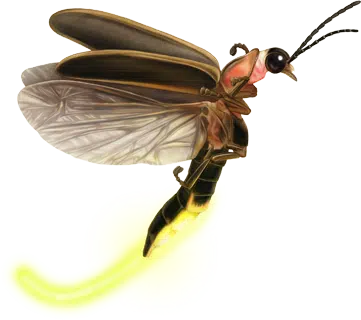
Observation: Photuris quadrifulgens
Primary Observer:
Dana Saether
Event Date:
2026-05-19
Status:
Unreviewed


Survey
Site Name:
Fredericksburg and Spotsylvania National Military Park
Province/State:
Virginia
Event Date:
2026-05-19
Time of Day:
Night-Time
Start Time:
21:18
End Time:
22:25
Number of Observers:
2
Primary Observer:
Dana Saether
Additional Observers:
Cameron Wright
target_species_genus:
unknown
target_species_species:
unknown
Location and Habitat
Location Accuracy (meters):
0-25
Habitat Type:
Grassland/Meadow - Meadow, open, grasses dominant
Habitat Type Notes:
- Grassland/meadow field located between a road and the Rappahannock River (the river occasionally floods this field during periods of very heavy extended rainfall)
- The site contains a few lower marshy areas (cattails, sedges, rushes & Indian Hemp (Apocynum cannabinum) present in these areas)
- Dominant plant species were graminoids (Leersia oryzoides, Lepidium virginicum, Elymus virginicus, Panicum virgatum, Phalaris arundinacea)
- Forbs spread throughout grasses (Asters, goldenrods & ironweeds)
- Elderberry trees/shrubs (Sambucus canadensis) spread out throughout site
- Also a lot of Japanese Hop (Humulopsis scandens) in areas without dense grass presence
- A ton of moths (Niphonyx segregata) were swarming us during the survey (host plant- Japanese Hop) but other than that we weren't bothered by mosquitos or any biting insects
Elevation (meters):
3m
Area Searched (hectares):
2.110993 ha
Artificial Light Sources
Vehicles: Yes
Street Lights: No
Buildings: No
Artificial Light Types
Sky Glow (diffuse illumination in the sky): Yes
Light Trespass (light cast on surfaces beyond its intended target): No
Glare (bright light causing visual discomfort): Yes
Artificial Light Notes:
Site is relatively close to downtown Fredericksburg (across the river) so some sky glow from that direction. Glare from passing vehicles was occasional to frequent (site is ~20m from road).
Observation
Observation Type:
With Flash Data
Number Observed:
50+
genus:
photuris
Species:
quadrifulgens
Observation Notes:
*Grid in images measures 6x18mm
- individuals ~15mm long (not including antennae)
- This was my first actual survey (after much research and preparation) so I am no expert in species, Photuris quadrifulgens is my best guess using Lynn Faust's book "Fireflies, Glow-worms and Lightning Bugs" for identification
- I also uploaded my photo observations to iNaturalist (the ID tool gave a 90% suggestion of Photinus consanguineus but the observed flash pattern and color don't match this species)
UPLOADED PHOTOS:
- site photos (site1, site2, site3, site4 (historical use))
- M1 (first male captured. ventral, dorsal and wing spread photos included)
- M2 (second male captured. ventral and dorsal photos included)
- F1 (perched female? captured. ventral and dorsal photos included)
- M3 (third male captured. ventral and dorsal photos included)
Specimen Voucher Number:
Flash Behavior
First Flash Time:
21:40
Last Flash Time:
22:23
First Flash Temp (F):
84.9 F
Last Flash Temp (F):
85.3 F
Flashes in Pattern:
4
Flash Color:
Green
Flash Pattern Period:
4.5 seconds
Flash Duration:
~0.25 seconds
Flash Interval:
<0.25 seconds
Male Height Zone:
Moderate (3-8 ft)
Flash Location:
- Grasses were ~1m tall, males were mostly flying ~0.5m above the grasses, sometimes higher. Females were perched on the grass, somewhat down the blades.
- Occasionally males would fly higher around protruding shrubs but tended to stay ~0.5m above vegetation level.
- Males were also flying over walking path and across road but not often to the forest edge or towards the river
Male Flash Behavior:
- Most often a series of 4 flashes over a span of ~1.5 seconds with ~3 seconds of darkness between
- Flashing seemed to occur somewhat stationary while lateral movement occurred in dark periods
- Observed some erratic flickering low to the ground along the walking path (possibly "Cinco de Mayo" flashes?)
- Males tended to flash around the same time as other nearby individuals
Female Flash Behavior:
- Uncertain but perched fireflies were observed occasionally exhibiting a single repetitive flash sequence in the grasses
Status Changes
| DATE | USER | STATUS |
|---|---|---|
| 2026-05-22 19:05:47 | Dana Saether | ->unreviewed |