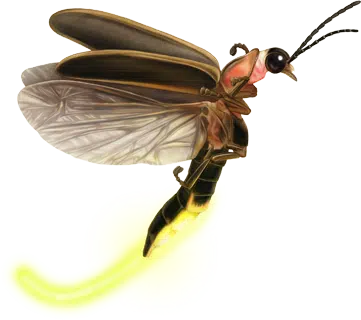
Observation: Photuris frontalis
Primary Observer:
GA DNR
Event Date:
2025-06-18
Status:
Unverified
Survey
Site Name:
Undisclosed
Province/State:
Georgia
Event Date:
2025-06-18
Time of Day:
Night-Time
Start Time:
21:11
End Time:
22:30
Number of Observers:
12
Primary Observer:
GA DNR
Additional Observers:
Reagan. Anna, Linda, Devin, Meg, Alex Anne, etc.
target_species_genus:
photuris
target_species_species:
forresti
Location and Habitat
Location Accuracy (meters):
0-25
Habitat Type:
Grassland/Meadow - Meadow, open, grasses dominant
Habitat Type Notes:
Elevation (meters):
237
Area Searched (hectares):
4
Artificial Light Sources
Vehicles: No
Street Lights: No
Buildings: Yes
Artificial Light Types
Sky Glow (diffuse illumination in the sky): Yes
Light Trespass (light cast on surfaces beyond its intended target): No
Glare (bright light causing visual discomfort): No
Artificial Light Notes:
Observation
Observation Type:
With Flash Data
Number Observed:
1
genus:
photuris
Species:
frontalis
Observation Notes:
Reagan's voice recording 13.
Specimen Voucher Number:
Flash Behavior
First Flash Time:
22:27
Last Flash Time:
22:27
First Flash Temp (F):
75
Last Flash Temp (F):
75
Flashes in Pattern:
1
Flash Color:
Unknown
Flash Pattern Period:
0.9
Flash Duration:
0.3
Flash Interval:
0.66
Male Height Zone:
High (over 8 ft)
Flash Location:
Flashes are up high about 30 ft up (treetop), near the agricultural area.
Male Flash Behavior:
25+ flashes about a half second apart, moving horizontally while flashing.
Female Flash Behavior:
Status Changes
| DATE | USER | STATUS |
|---|---|---|
| 2025-12-08 20:16:04 | Georgia DNR-WCS | ->unreviewed |
| 2025-12-12 16:11:14 | Richard Joyce | unreviewed->unverified |
1 thought on “Observation: Photuris frontalis”
Leave a Comment
You must be logged in to post a comment.



The short flash pattern period certainly could suggest Photuris frontalis, but the treetop display location would be pretty unusual for this species, which I think of displaying mostly at about waist-height in the forest understory. (At the edges of clearings, I’ve seen them go higher in the canopy, sort of following the contour of the vegetation, but I’d still expect to see some at lower heights.
Photuris hebes might be another possibility.