Observation: Unknown

Observation: Unknown

Primary Observer:

B. Templeton

Event Date:

2025-06-15

Status:

Unverified

Survey

Site Name:

Beeton

Province/State:

Ontario

Event Date:

2025-06-15

Time of Day:

Night-Time

Start Time:

22:00

End Time:

23:59

Number of Observers:

3

Primary Observer:

B. Templeton

Additional Observers:


target_species_genus:

unknown

target_species_species:

unknown

Location and Habitat

Location Accuracy (meters):

0-25

Habitat Type:

Developed - Sub/urban areas; parks/gardens

Habitat Type Notes:

Residential backyard - with abundant wildlife and plants (dominant plants include coniferous trees, clover, coneflower, lilac and bleeding heart)

Elevation (meters):

221.2

Area Searched (hectares):


Artificial Light Sources

Vehicles: No
Street Lights: No
Buildings: Yes

Artificial Light Types

Sky Glow (diffuse illumination in the sky): Yes
Light Trespass (light cast on surfaces beyond its intended target): No
Glare (bright light causing visual discomfort): No

Artificial Light Notes:

Campfire. Some exterior lights.

Observation

Observation Type:

With Flash Data

Number Observed:

2-10

genus:

unknown

Species:

unknown

Observation Notes:

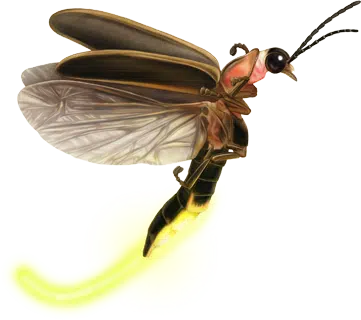
2 flashing fireflies observed.

Specimen Voucher Number:

Flash Behavior

First Flash Time:

22:59

Last Flash Time:

23:59

First Flash Temp (F):

72 degrees F

Last Flash Temp (F):

72 degrees F

Flashes in Pattern:

>4

Flash Color:

Blue

Flash Pattern Period:

n/a

Flash Duration:

n/a

Flash Interval:

1-2 seconds

Male Height Zone:

Low (0-3 ft)

Flash Location:

Flashes observed low to the ground, under a lilac tree. Later, observed flying higher (8 ft).

Male Flash Behavior:


Female Flash Behavior:


1 thought on “Observation: Unknown”

  1. Thank you for submitting this firefly observation! Without a photo of the firefly, it is tricky to reach a species identification, but it is great to know that this site supports fireflies!

    A note about flash pattern terminology, for next firefly season:
    “Flash pattern period” refers to the number of seconds between the start of a flash pattern and the start of the next repetition of that flash pattern. For example, the big dipper firefly (Photinus pyralis) typically has a flash pattern period of 5-7 seconds.

    “Flash duration” is how long each flash lasts. Usually this is too fast to measure accurately, but you can estimate whether it is more or less than 0.5 seconds, you can enter “not recorded,” or you can do a verbal description (such as “very brief”).

    “Flash interval” refers to the time between the end of one flash and the beginning of the next. In species with single flash patterns and short flash durations, this is basically the same as “flash pattern period,” just a little shorter.

Leave a Comment

Connect

Sign up for our newsletter to receive updates.

Follow

Follow the Xerces Society.

Share

Share this page.

Support

Support the Xerces Society's conservation work.

This is a project of the Xerces Society, working in collaboration with the IUCN SSC Firefly Specialist Group and New Mexico BioPark Society.


Copyright © 2026 The Xerces Society •1631 NE Broadway Street, #821 • Portland OR 97232 USA
Firefly logo by Ink Dwell studio; © 2020 Jane Kim