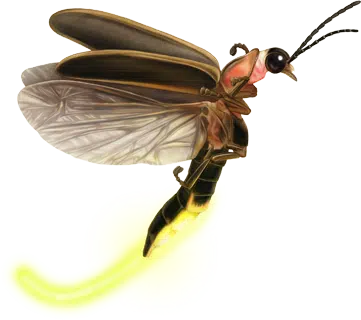
Observation: Pyractomena dispersa
Primary Observer:
Carter Bullock
Event Date:
2024-07-02
Status:
Unverified


Survey
Site Name:
Firefly Park
Province/State:
Utah
Event Date:
2024-07-02
Time of Day:
Night-Time
Start Time:
22:10
End Time:
22:35
Number of Observers:
2
Primary Observer:
Carter Bullock
Additional Observers:
Eliza Monson
target_species_genus:
unknown
target_species_species:
unknown
Location and Habitat
Location Accuracy (meters):
50-100
Habitat Type:
Open Freshwater Wetland - Wetland Bog, fen, freshwater marsh
Habitat Type Notes:
Elevation (meters):
1382
Area Searched (hectares):
.5 hectares
Artificial Light Sources
Vehicles: No
Street Lights: Yes
Buildings: Yes
Artificial Light Types
Sky Glow (diffuse illumination in the sky): Yes
Light Trespass (light cast on surfaces beyond its intended target): Yes
Glare (bright light causing visual discomfort): No
Artificial Light Notes:
Observation
Observation Type:
With Flash Data
Number Observed:
11-50
genus:
pyractomena
Species:
dispersa
Observation Notes:
Specimen Voucher Number:
Flash Behavior
First Flash Time:
22:10
Last Flash Time:
22:35
First Flash Temp (F):
68
Last Flash Temp (F):
64
Flashes in Pattern:
1
Flash Color:
Yellow
Flash Pattern Period:
2
Flash Duration:
2
Flash Interval:
30sec-1min
Male Height Zone:
Low (0-3 ft)
Flash Location:
Near the water in the wetlands.
Male Flash Behavior:
Female Flash Behavior:
Status Changes
| DATE | USER | STATUS |
|---|---|---|
| 2024-07-05 03:27:21 | Carter Bullock | ->unreviewed |
| 2025-10-10 17:02:08 | Richard Joyce | unreviewed->unverified |
1 thought on “Observation: Pyractomena dispersa”
Leave a Comment
You must be logged in to post a comment.



Thanks for this observation, and apologies for taking so long to weigh in on the ID! Based on the location and flash pattern notes, this appears to be Pyractomena dispersa (though the Western populations of this species will soon be split into their own species).