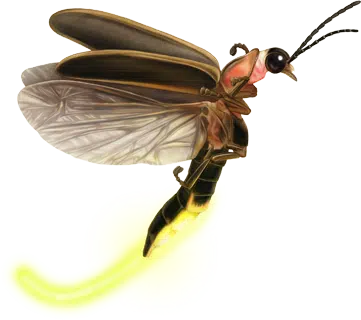
Observation: Photuris
Primary Observer:
Anna Walker
Event Date:
2023-06-25
Status:
Verified


Survey
Site Name:
Spence Hot Springs
Province/State:
New Mexico
Event Date:
2023-06-25
Time of Day:
Night-Time
Start Time:
20:40
End Time:
21:40
Number of Observers:
2
Primary Observer:
Anna Walker
Additional Observers:
Quin Baine
target_species_genus:
photuris
target_species_species:
missouriensis
Location and Habitat
Location Accuracy (meters):
0-25
Habitat Type:
Forested Wetland - Swamp, cedar bog, mangrove
Habitat Type Notes:
Wetland formed along forested hillside adjacent to montane creek, due to seepage from thermal spring. Forest species include ponderosa pine and Douglas fir. Seep wetland contains ferns, rushes, grasses, poison ivy and sumac, among other forbs and shrubs.
Elevation (meters):
2205
Area Searched (hectares):
.44
Artificial Light Sources
Vehicles: Yes
Street Lights: No
Buildings: No
None
Artificial Light Types
Sky Glow (diffuse illumination in the sky): No
Light Trespass (light cast on surfaces beyond its intended target): No
Glare (bright light causing visual discomfort): No
Artificial Light Notes:
Light pollution is minimal because site is in National Forest. Site is near road, so occasional vehicle lights in the distance.
Observation
Observation Type:
With Flash Data
Number Observed:
50+
genus:
photuris
Species:
unknown
Observation Notes:
Only males found. Specimens are large, about 14mm. Found in seepage from spring up on the hillside, all the way down to where the seepage joins the stream, probably about 90m. Found several larvae in the mud at the hot spring pool. The flashing activity was still ongoing when we left the site to survey a second site.
Specimen Voucher Number:
Flash Behavior
First Flash Time:
20:42
Last Flash Time:
21:40
First Flash Temp (F):
68
Last Flash Temp (F):
71
Flashes in Pattern:
1
Flash Color:
Green
Flash Pattern Period:
1.6
Flash Duration:
0.25-0.5
Flash Interval:
1
Male Height Zone:
Low (0-3 ft), Moderate (3-8 ft)
Flash Location:
A lot of individuals are flashing from the vegetation, including males. Many are flying as well.
Male Flash Behavior:
Males flying and flashing don't travel terribly far during interval. Most flight is fairly horizontal.
Female Flash Behavior:
None. No females observed.
Status Changes
| DATE | USER | STATUS |
|---|---|---|
| 2023-07-19 22:03:10 | Anna Walker | ->unreviewed |
| 2025-10-10 15:06:05 | Richard Joyce | unreviewed->verified |